There is no single answer. It depends on what you believe, where your family comes from, and what the person who died would have wanted. Around 70% of Australian funerals now involve cremation, which means this question is coming up in more households than ever.
Some families keep ashes at home for decades and find it comforting. Others feel a growing unease they cannot quite name. Some traditions are clear that ashes should not be in a shared living space at all. This article covers what those traditions say, what Victorian law actually requires, and what the practical realities are for families who have kept ashes at home for years.
What Different Cultures and Religions Say
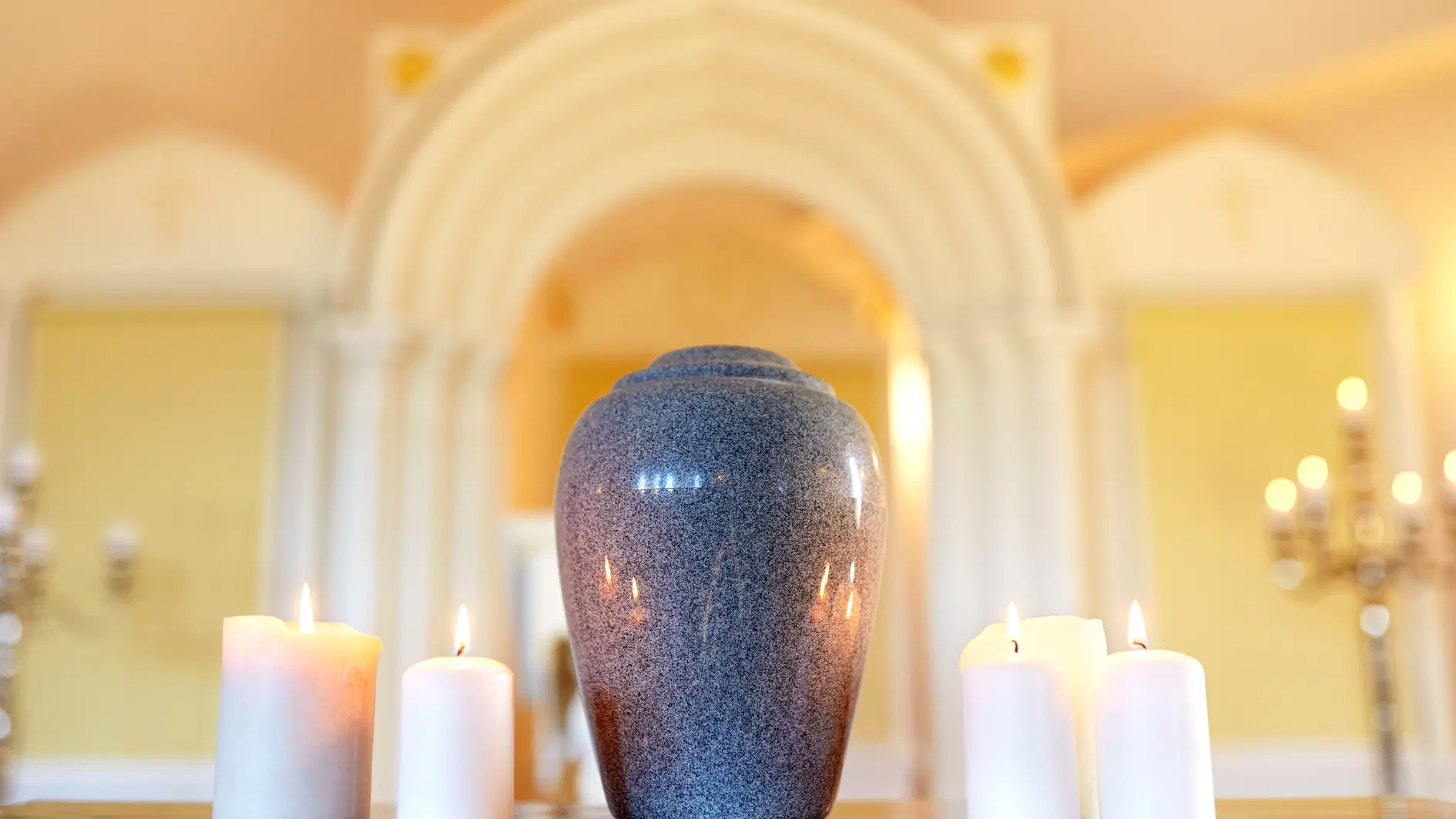
Here is what the main traditions represented in Australian families hold on this question.
- Buddhist traditions. Many Buddhist traditions hold that the spirit needs a clear pathway after death, and that keeping remains in the home delays or interferes with that. Most Buddhist families aim to place remains in a temple, memorial garden, or dedicated shrine within 49 days of cremation.
- Catholic practice. In 2016, the Vatican’s Congregation for the Doctrine of the Faith stated that ashes should not be kept at home, divided between family members, or scattered. They should be interred in a dedicated sacred place such as a cemetery or memorial garden. This remains the Church’s current position.
- Chinese and Vietnamese traditions. In many Chinese and Vietnamese households, the home is for the living. Keeping cremated remains in a shared living space is considered inauspicious, associated with lingering spirits and negative energy. Remains are typically placed in a temple, columbarium, or dedicated outdoor memorial.
- Islamic practice. Cremation is not permitted in Islam. Where it has occurred due to circumstance, the tradition is for remains to be interred in a Muslim cemetery without delay. Keeping ashes at home does not align with Islamic practice.
- Secular and non-religious families. There is no cultural prohibition for most non-religious Australian families. Many keep ashes at home, particularly in the months immediately after a death, without any sense that it is wrong. The question for these families is usually practical rather than spiritual: is this arrangement sustainable long-term?
- Aboriginal and Torres Strait Islander communities. Beliefs about remains vary significantly between communities and are deeply held. These communities are best guided by their own elders and leaders, not by generalised external advice.
What Victorian Law Says

Many families assume there are rules they are not following. In Victoria, the legal position is simpler than most people expect.
Your guide to a living memorial
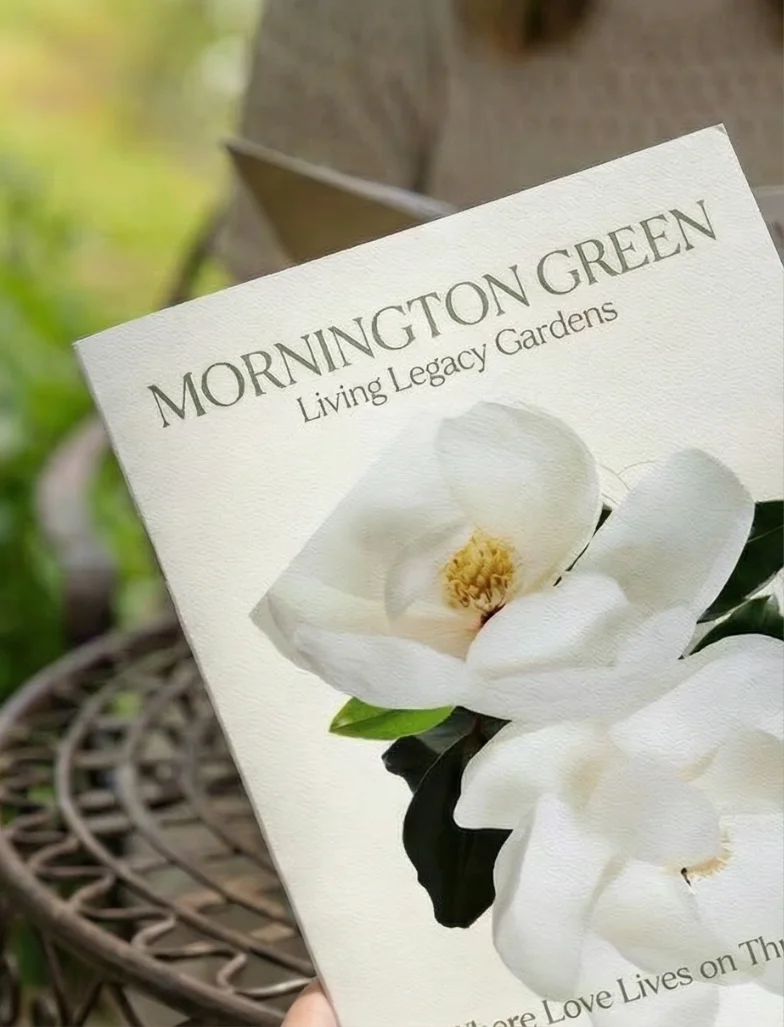
Download our free brochure to explore tree varieties, planting locations, and how a memorial tree can become a lasting place for remembrance.
According to the Victorian Department of Health, there is no requirement to dispose of cremated remains in a public cemetery. Families can keep ashes at home indefinitely. There is no registration requirement and no time limit. The Cemeteries and Crematoria Regulations 2025, which came into operation on 15 June 2025 and are current as of 2026, confirm this.
At common law, ashes are property. The family owns them, with the qualification that they must be handled with respect. There is no government body monitoring where ashes are kept.
What the law does not address is what happens when families disagree about the ashes, or when circumstances change. There is no legal registry of where ashes are held. If a dispute arises between family members over possession or placement, it can be very difficult to resolve. A documented memorial arrangement, such as a Living Legacy Tree, removes that ambiguity entirely.
What Grief Research Actually Shows
There is no research showing that keeping ashes at home helps or harms the grieving process in itself. What matters more is whether the family has made a genuine, shared decision.
A longitudinal study from Monash Medical Centre followed 115 Australian families through bereavement after the death of a parent from cancer, assessing them at six weeks, six months, and 13 months. The study found that family functioning, specifically how well the family communicated and supported each other, was the strongest predictor of grief outcomes. Individual decisions about the remains were not the determining factor.
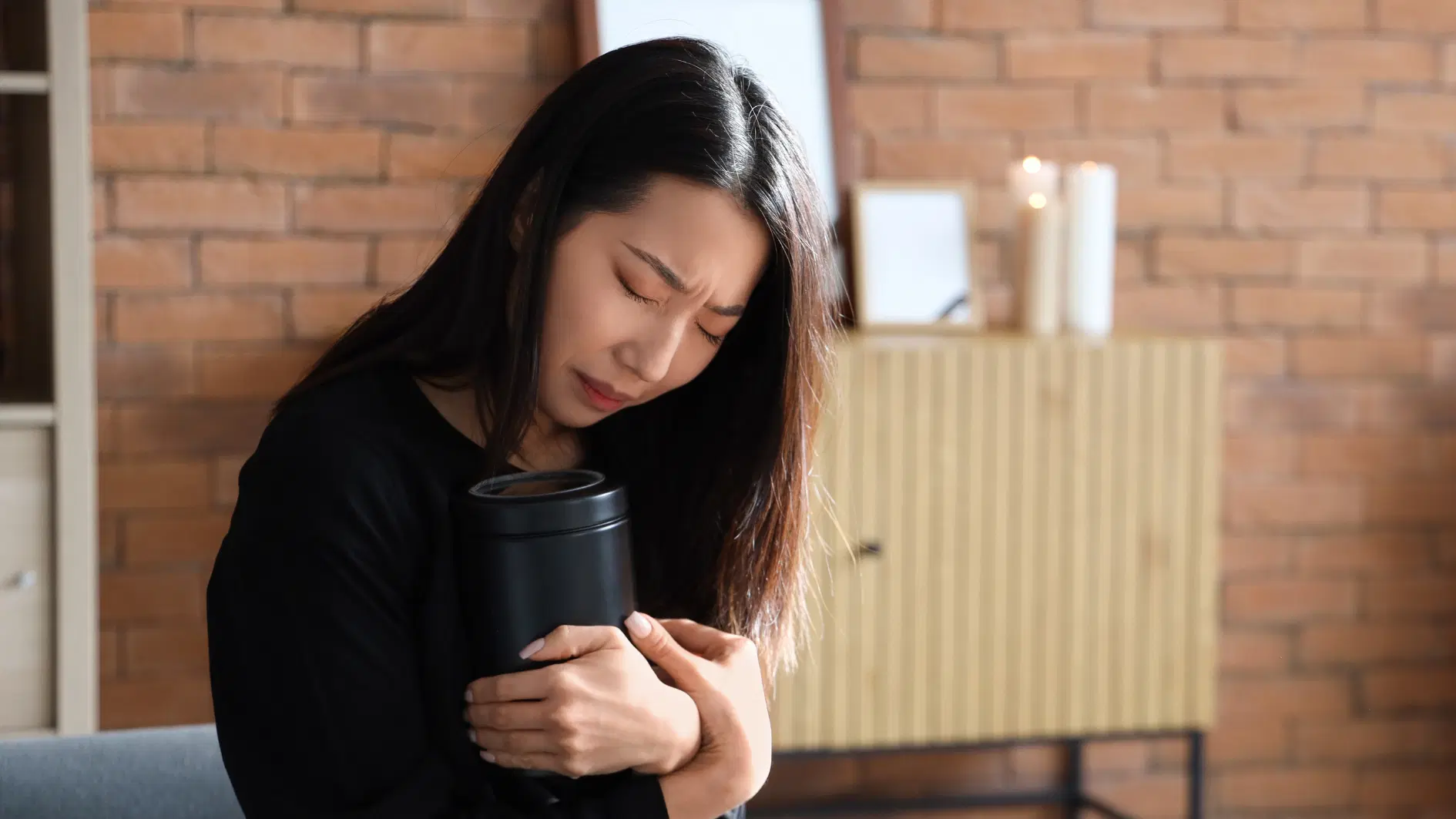
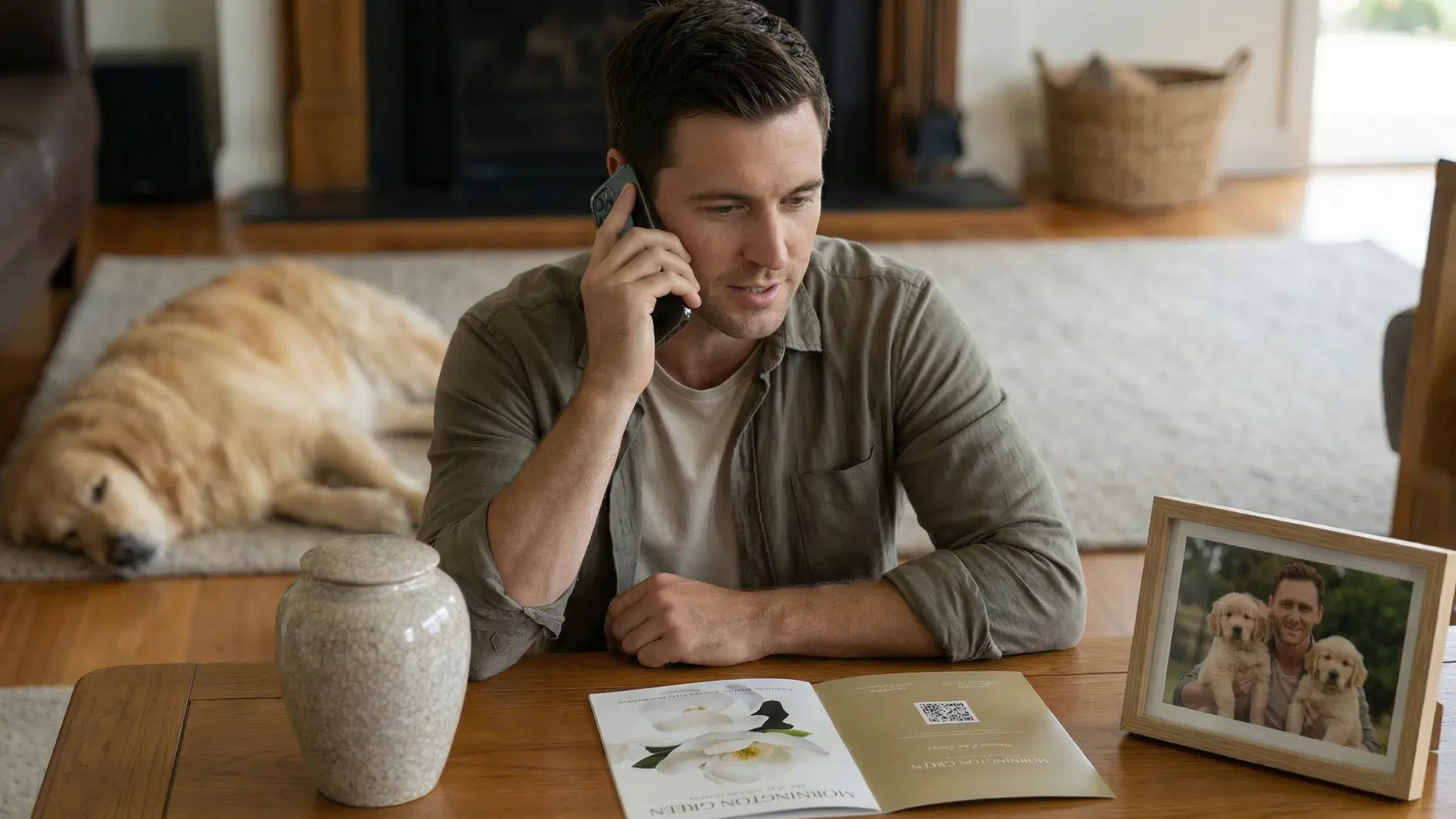
What families who contact Mornington Green most often describe is not an inability to grieve. It is an inability to start the conversation about what to do. The ashes sit in a cupboard for three years not because the family is coping well, but because no one has been willing to bring it up.
The Practical Problems With Keeping Ashes at Home Long-Term
Setting aside belief and tradition, there are real practical issues with keeping ashes at home indefinitely that most families do not think about until they are already in the middle of them.
- When the home is sold. The average Australian household moves every 10 to 12 years. When that happens, the family has to decide what to do with the ashes quickly, often during an already stressful move. Many families describe this as reopening grief they thought was settled. A fixed memorial site does not move.
- When the person keeping the ashes dies. If the family member who kept the ashes dies without clear instructions, the next generation inherits both the remains and the decision. Families in their 80s with a parent’s ashes still on the shelf are not unusual.
- When family members disagree. Ashes kept at one person’s home can create ongoing resentment in other family members who feel excluded from the mourning process, particularly siblings or adult children who live elsewhere. A neutral, shared memorial site belongs to the whole family equally.
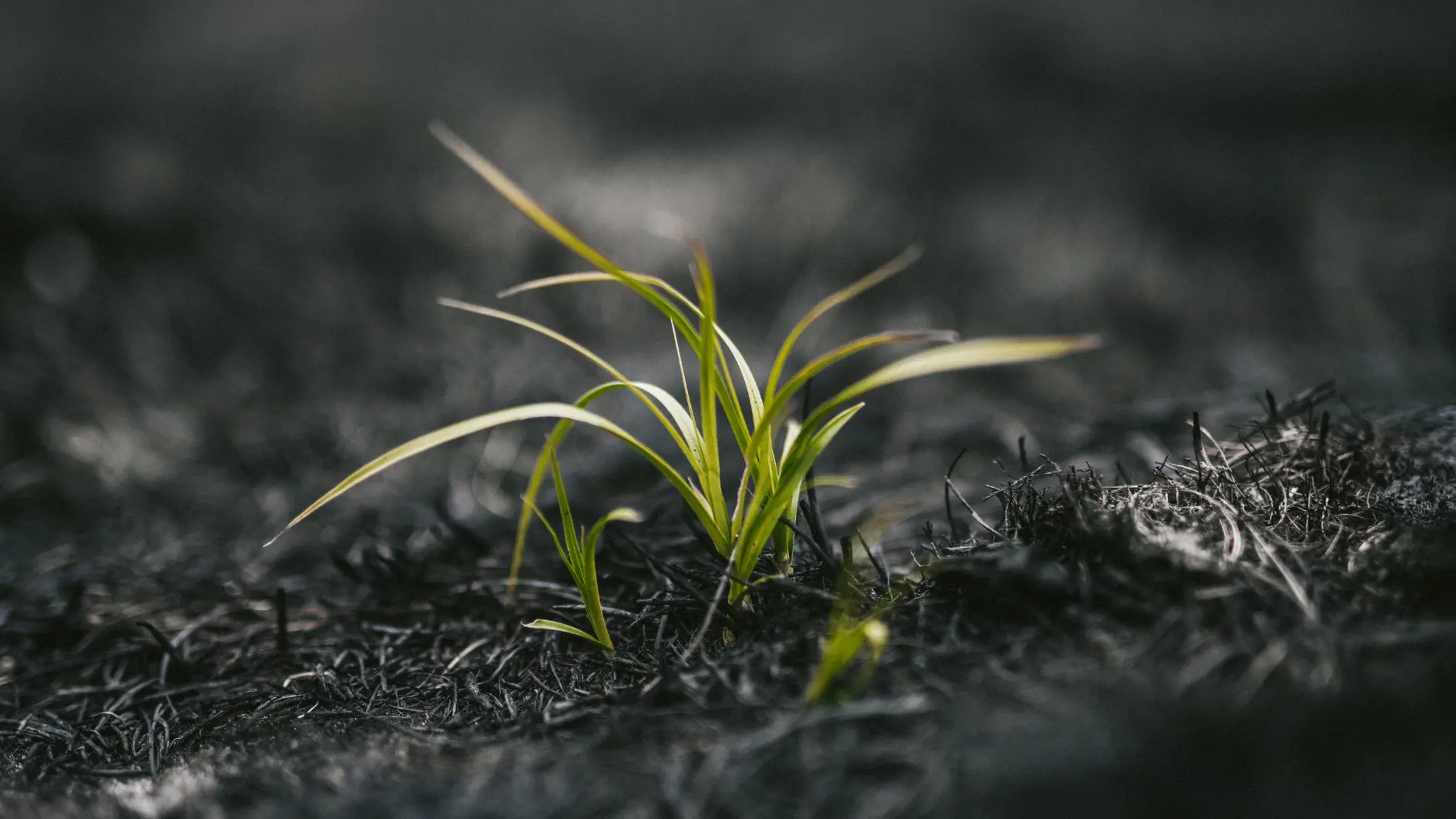
- The ashes themselves do not change. Cremated remains are not biodegradable. They will not break down in an urn. Whatever container they are in will eventually need replacing or relocating. A Living Legacy Tree transforms the remains into soil nutrients that actively support the tree’s growth. The ashes do not need to go anywhere after that.
When Keeping Ashes at Home Makes Sense
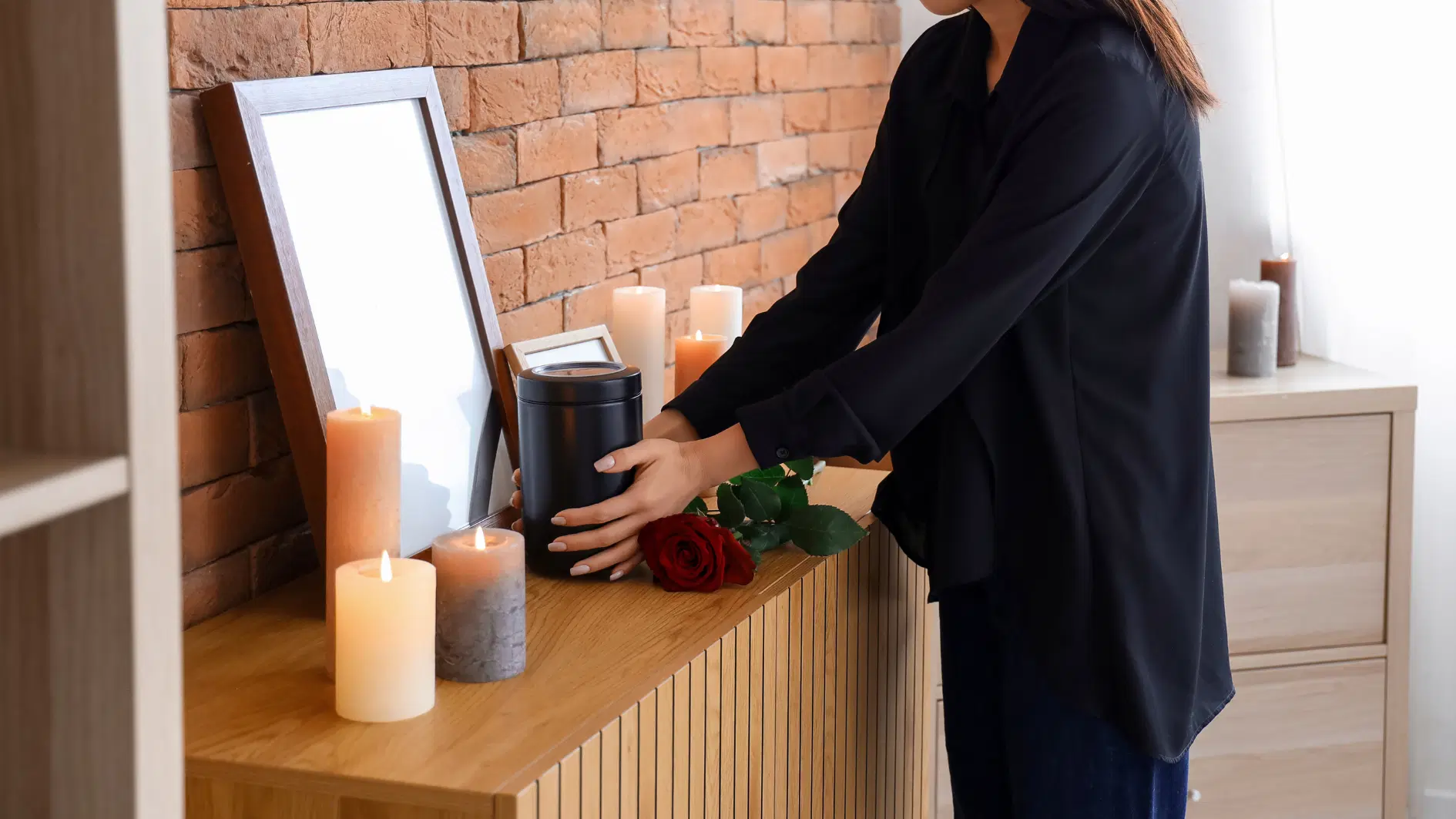
It is not always the wrong choice. Here are the situations where it is reasonable.
- In the weeks and months immediately after a death, while the family is still deciding what to do. There is no rush.
- When a small keepsake portion is kept at home alongside a permanent memorial elsewhere. Many families do this.
- When the person who died specifically asked for their ashes to remain at home. In that case, honoring the request is the right thing to do.
The problem is not keeping ashes at home. It is keeping them there indefinitely with no plan and no conversation.
What Happens to Ashes When a House Is Sold in Victoria?
There is no legal obligation to disclose ashes to a property buyer, and no restriction on transporting them. But the emotional reality often catches families off guard.
Ashes kept in one house for years become connected to that place. Moving them feels, to many families, like a second loss. Some families have described realising, mid-move, that they have no idea what to do with them and no time to decide.
Mornington Green holds a council permit and the garden is protected from development under a conservation agreement. Details are on the tree protection page. The site cannot be sold, built on, or cleared. Families can return to it regardless of where they live.
What a Living Legacy Memorial Tree Actually Involves
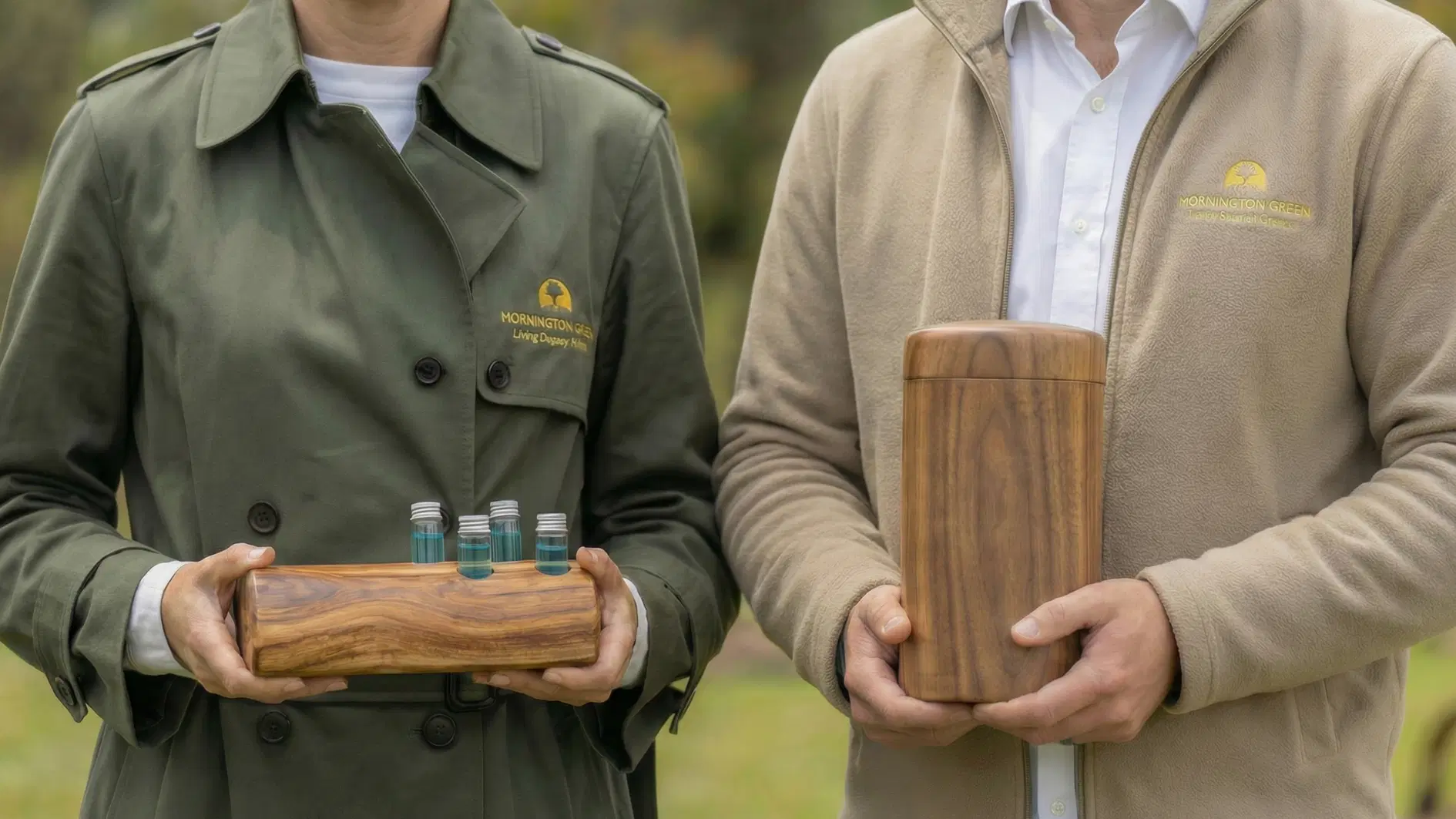
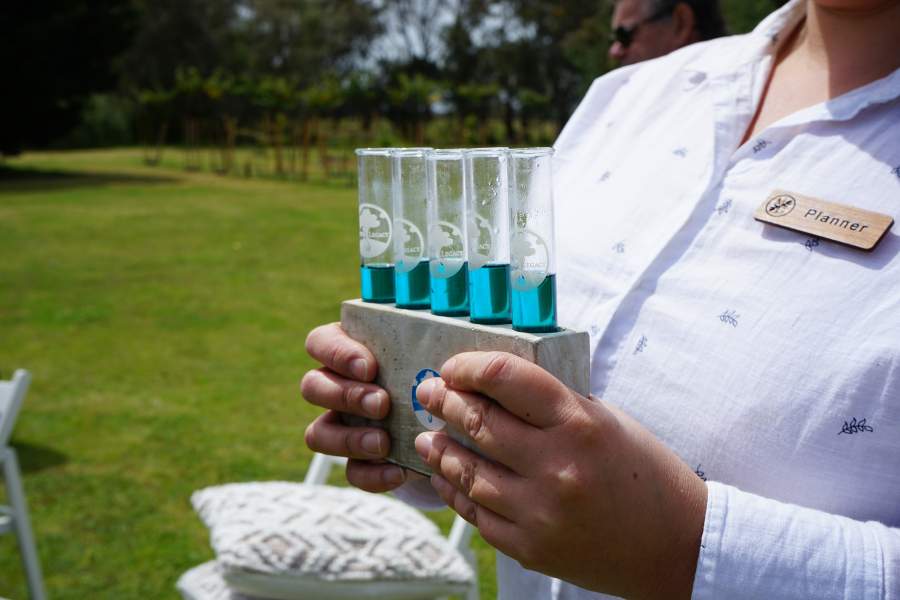
A Living Legacy Tree is an established tree in a protected garden, into which a loved one’s ashes are incorporated after treatment.
The treatment step matters. Cremated ashes have a pH of around 11.8 and a sodium level hundreds of times higher than plants can tolerate, according to soil chemistry research. Untreated, they damage the soil and cannot support tree growth. The Living Legacy process, developed by a team of scientists including Dr Mary Cole, neutralises the pH and converts the remains into nitrogen and potassium that the tree’s root system can absorb.
At Mornington Green in Somerville, families choose from 26 tree species. At-need trees for someone who has already died are already established, up to five metres tall at the time of selection. Pre-planned trees are newly planted when chosen. The garden is maintained through a 20% perpetual care trust fund. Multiple family members, including pets, can be added to a single tree over time.
“We wanted a place where it is peaceful and quiet, where we could celebrate Mum’s life. My two children, who are still young, needed a place where they could hug Mum as a tree.” — Nicole Taylor
How to Make the Decision
These are the four questions worth answering before settling on any arrangement.
- What did the person who died want? If they said something specific, that is the strongest guide available.
- What does your family’s cultural or religious tradition say? If it is clear, follow it.
- Will this arrangement still work in ten years? A home-based arrangement may not.
- Do all the key family members agree? If some are excluded, the arrangement will cause problems later.
If the answer to any of those is unclear, talking to the Mornington Green team costs nothing. They work with families at all stages, including families who have had ashes at home for years and are only now ready to decide.
Frequently Asked Questions
Is it bad luck to keep ashes in the house?
For Buddhist, Catholic, Chinese, and Vietnamese traditions, yes, there are specific beliefs that keeping ashes at home is inauspicious or contrary to religious guidance. For secular or non-religious Australian families, there is no cultural prohibition. Whether it brings bad luck depends entirely on what you believe.
Is it legal to keep ashes at home in Victoria?
Yes. Under Victorian cemetery and cremation law and the Cemeteries and Crematoria Regulations 2025, there is no requirement to place ashes in a public cemetery. Families can keep ashes at home indefinitely with no registration and no time limit.
Can I keep some ashes at home and use the rest for a tree?
Yes. This is something many families choose. A small keepsake portion stays at home and the majority goes into a Living Legacy Tree. At Mornington Green, this is a standard option discussed during the initial consultation.
What does the Catholic Church say about keeping ashes at home?
The Church’s 2016 instruction is clear: ashes should not be kept at home, divided, or scattered. They should be interred in a sacred dedicated place. Australian Catholic families are advised to speak with their parish priest about the appropriate options available locally.
What happens to ashes if I move house?
There is no legal restriction on transporting ashes in Victoria. But many families find that ashes kept in one home for years become emotionally tied to that place, and moving them reopens grief unexpectedly. A fixed, permanent memorial site removes this issue.
How long is too long to keep ashes at home?
There is no legal limit. From what families report, two or more years without any decision or plan tends to be when the situation starts causing low-level ongoing distress in the family. If no one has brought it up in more than a year, that is usually a sign the conversation needs to happen.
If you are ready to look at options, download the free Mornington Green brochure or contact us the team directly. No commitment required.