
Melbourne has more than a dozen hospice and palliative care services available across most suburbs. Options range from public hospital inpatient units and charity-funded home nursing teams to private facilities. Many services are available through Medicare at no cost. Whether you need round-the-clock inpatient support or a nurse visiting your home twice a week, there’s a pathway for most situations.
This guide covers what’s available, where to find it, and what questions to ask when you’re trying to figure out next steps.
What Is Hospice Care?
Hospice care is medical support focused on comfort rather than cure. It’s for people with a serious illness where treatment is no longer aimed at recovery. The goal shifts to managing pain and symptoms, keeping the person as comfortable as possible, and supporting the whole family through what’s happening.
In Australia, you’ll often hear “palliative care” used interchangeably with hospice care. They’re not identical, but the terms overlap enough that most services use both. Palliative care can begin earlier in a serious illness, sometimes alongside active treatment. Hospice care usually refers to care in the final months of life.
You don’t need a referral to start asking questions. Most services welcome a phone call from a family member who just wants to understand what’s available.
Your guide to a living memorial
Download our free brochure to explore tree varieties, planting locations, and how a memorial tree can become a lasting place for remembrance.
Read more: End-of-Life Care Options in Melbourne: What Families Actually Need to Know?
What Types of Hospice Care Are Available in Melbourne?
There are three main types. Which one fits depends on how much support is needed and what the person prefers.
Inpatient care means staying at a hospice unit or palliative care ward in a hospital or dedicated facility. This suits situations where symptoms are complex and hard to manage at home, or where the family needs a break. Most inpatient units offer private rooms, family overnight stays, and access to a full medical team around the clock.
Home-based care is where nurses and support workers visit the person at home. This is what most people prefer if it’s medically possible. A team typically includes a nurse, social worker, and sometimes a GP who specialises in palliative care. You can also access 24-hour phone support if something changes overnight.
Day hospice is a middle option. The person comes into a centre for a few hours, gets care and social connection, then goes home. It gives family caregivers a regular break without moving the person into full-time care.
Most people move between these types depending on where they are in their illness.
7 Recommendation Hospice Care Across Melbourne
Melbourne’s services are reasonably well spread across the city. Here’s a practical breakdown by area.
Inner and eastern suburbs
1. Caritas Christi Hospice in Kew is one of the oldest hospices in Melbourne. It’s connected to St Vincent’s Hospital, so there’s continuity of care if the person has been treated there. They have inpatient beds plus a team of doctors, social workers, and counsellors.
2. Cabrini Palliative Care in Malvern is a private facility that many families choose for its quieter environment and flexible visiting hours. It operates under private health insurance, which affects whether waiting times are shorter.
3. Austin Health in Heidelberg includes the Olivia Newton-John Cancer Centre, which integrates wellness therapies like massage and art therapy alongside medical care. This works well for people who want more than just symptom control.
South-eastern suburbs
1. McCulloch House at Monash Medical Centre in Clayton was purpose-built for palliative care. Every patient gets a private room with an ensuite, and there are garden spaces for families to use. It’s a public service, so there’s no cost for eligible patients.
2. South Eastern Private Hospital in Noble Park is another private option in this area, with a palliative care team that includes specialists in pain management.
Northern and western suburbs
1. Northern Health in Epping covers a large catchment area in Melbourne’s north. They’re known for their approach to family support and how well they connect patients with community care teams after discharge.
2. Western Health at Sunshine Hospital has a family kitchen and allows pets to visit. For people who want a less clinical feel, this matters.
Free Hospice Services in Melbourne (Charity-Funded Care)
Several of Melbourne’s palliative care services run on a not-for-profit model and are free to patients. They’re funded through government support and community donations.
Peninsula Home Hospice has been providing home-based palliative care across the Mornington Peninsula and Frankston area for decades. They offer nursing visits, volunteer support, and bereavement counselling for families after the person dies.
Banksia Palliative Care covers the northeast. They offer 24-hour phone support and provide interpreters for families from non-English-speaking backgrounds.
Melbourne City Mission covers Hume and the Yarra area. Eastern Palliative Care serves seven municipalities in the east.
These services often go beyond medical care. Many provide practical help with daily tasks, emotional support for the person’s family, and regular volunteer visits so caregivers can take a break. It’s worth calling them early to understand what they can offer in your specific suburb.
Private Hospice Care: What It Actually Means
Private hospice care doesn’t mean better medical care. Melbourne’s public palliative care services meet very high clinical standards. The difference is usually about environment and access.
With private health insurance, you’re more likely to get a private room without a waiting period, more flexibility in visiting arrangements, and faster admission into an inpatient facility. Cabrini Malvern and South Eastern Private Hospital are the main private options.
For home-based private care, Call on Clare provides nurse-led support at home. They can offer extended care hours and transport assistance, which is useful if the family’s capacity to provide care is limited.
If cost is a concern, it’s worth calling a public service first. Most will tell you honestly whether they can meet your needs.
How to Choose the Right Service
There’s no single right answer here. It depends on the person’s medical needs, their preferences, and what the family can manage. A few things worth checking when you speak to a service:
- Accreditation. Ask if the service is accredited by the Australian Council on Healthcare Standards. This is the main national standard for safety and quality in Australian healthcare.
- Pain and symptom management. Ask how they handle a situation where symptoms change suddenly at 2am. Good services have a 24-hour clinical line, not just an answering machine.
- Family support. Does the service offer bereavement support after the person dies? Some do, many don’t. If this matters to your family, ask upfront.
- Transition planning. If the person goes into inpatient care for symptom management and then wants to go home, how does the service handle that? Eastern Health in Wantirna is often mentioned as a good example of seamless discharge planning.
- Visiting a facility before a decision. Most inpatient services will let you come and have a look before anything is decided. It’s worth doing this while you still have time to consider options rather than during a crisis.
How to Access Hospice Care in Melbourne
You can contact most services directly by phone. You don’t need a formal referral for many community-based services, though a GP referral can speed up access to inpatient care and specialist teams.
The Palliative Care Victoria website has a service directory that lets you search by postcode. This is the most practical starting point if you’re not sure what’s available in your area.
Medicare covers most public palliative care services. If you’re using a charity service, there’s generally no cost at all. Private services depend on your health insurance cover and what out-of-pocket costs apply.
Frequently Asked Questions
Is hospice care free in Melbourne?
Public hospital palliative care units and charity home care services are generally free for eligible patients through Medicare. Private facilities depend on health insurance cover.
Do I need a doctor’s referral?
Not always. Many community-based and charity services will take a direct call from a patient or family member. For specialist inpatient care, a GP or specialist referral usually helps speed things along.
Can a person receive hospice care at home?
Yes, and most people prefer this. Home-based palliative care teams visit regularly and are available by phone around the clock. How much support is available depends on the service and your location.
What’s the difference between palliative care and hospice care?
In practice, the terms are often used interchangeably in Australia. Palliative care can start earlier in a serious illness, sometimes while active treatment is still happening. Hospice care usually refers to care in the final stage of life, when the focus is entirely on comfort.
Can family members stay overnight?
At most inpatient facilities, yes. McCulloch House, Caritas Christi, and Northern Health all accommodate overnight family stays. It’s worth asking each facility about their specific arrangements.
What happens after the person dies?
Many services, particularly the charity ones like Peninsula Home Hospice and Banksia, offer bereavement support for family members after the death. Some hospital-based services do too. Ask upfront whether this is included.
Planning Ahead While You Still Can
Some families we speak with at Mornington Green come to us during palliative care, when the person is still well enough to be involved in decisions. Pre-planning a memorial while you have time, rather than leaving it all to family later, is something more people are choosing to do.
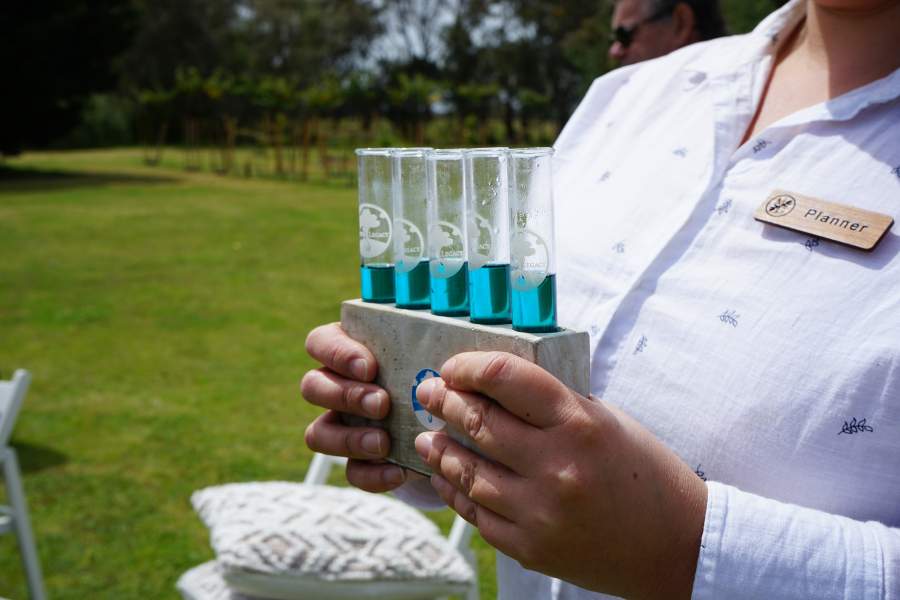
At Mornington Green Living Legacy Gardens, 50 minutes from Melbourne’s CBD, families can plant a tree that will later hold the ashes of someone they’ve lost. The ash becomes part of the tree’s soil, not placed beside it. Some people plant their own tree while they’re still alive, which gives them something to look forward to and gives their family a place to visit long after.
If this is something you’d like to discuss, you can call us on (03) 9059-4959 or get in touch here.