
When a parent dies in Australia, families must navigate immediate medical procedures, register the death within 7-14 days depending on their state, notify financial institutions and government agencies, manage superannuation claims separately from the estate, potentially apply for probate if significant assets are involved, and make decisions about funeral arrangements or memorial options. The process involves both urgent administrative tasks in the first hours and longer-term estate settlement that typically takes 6-12 months.
The death of a parent changes everything in an instant. Whether there’s been time to prepare or the loss came suddenly, you’re probably feeling overwhelmed by grief while wondering what actually needs to happen next. The combination of emotional devastation and immediate practical demands feels impossible to navigate.
This guide walks through the real steps that follow a parent’s death in Australia, from those first awful phone calls through to longer-term decisions about honoring their memory.
What Should I Do Immediately After My Parent Dies in Australia?

If your parent dies in hospital, the medical staff handle the immediate procedures. A doctor will issue a Medical Certificate of Cause of Death (also called a Medical Certificate of Cause of Death or Form PR315), which you’ll need before anything else can happen. The hospital will ask about organ donation if your parent was registered on the Australian Organ Donor Register or if their condition makes donation possible.
When a parent dies at home under palliative care, call their doctor or the palliative care team straight away. They’ll come to verify the death and complete the paperwork you need. If the death was expected and everyone was working with palliative care, this part is straightforward.
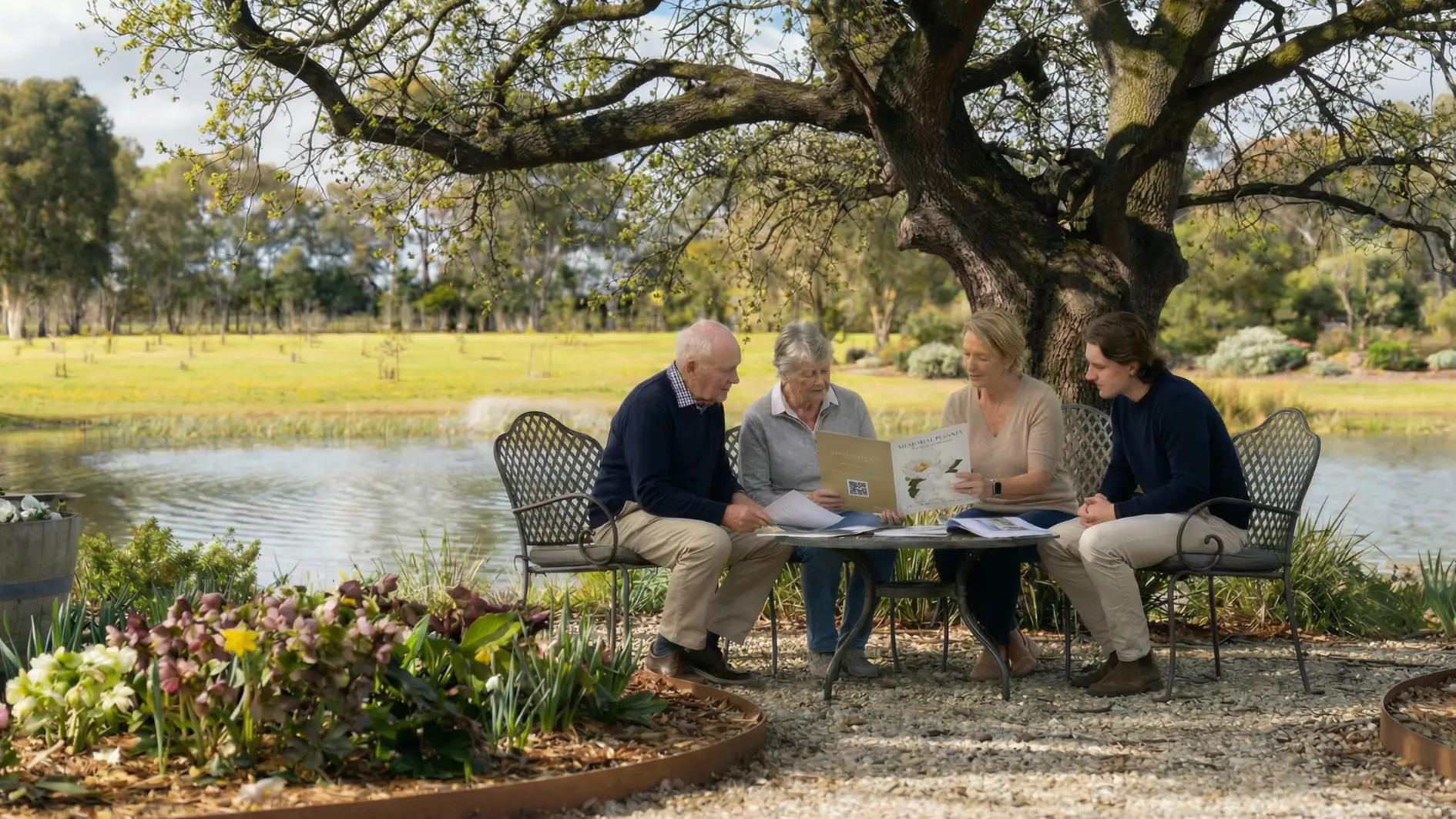
Your guide to a living memorial
Download our free brochure to explore tree varieties, planting locations, and how a memorial tree can become a lasting place for remembrance.
If your parent dies at home and it wasn’t expected, you need to call 000. Police will attend, and the death gets referred to the coroner. This is standard procedure for any unexpected death or when the cause isn’t immediately obvious.
In these first terrible hours, you need to get the medical certificate from the doctor or hospital staff. You can’t proceed with any funeral arrangements without this document. Tell your immediate family members directly so nobody hears the news secondhand or through social media. Choose a funeral director to collect your parent’s body (most offer 24-hour service), and try to locate your parent’s will if you can.
The funeral director handles many administrative steps that follow. Many families find it helps to designate one person to handle phone calls and decisions while others focus on being together and processing what’s happened.
What to Do When My Parents Die?
The first week after a parent’s death blurs together. You’re making decisions while in shock, dealing with paperwork while barely able to think straight. Here’s what actually matters in those early days.
You’ll need to arrange for the body to be collected and decide between burial and cremation. If your parent left instructions about this, follow them. If they didn’t, go with what feels right for your family. There’s no rush to hold a funeral immediately. Some families arrange a small private service first and plan a larger memorial months later when everyone can attend.
Start making a list of people and organizations that need to be notified. You don’t have to do this all at once. The funeral director can help with some notifications, and there are services that notify multiple organizations simultaneously (more on this below).
Look for your parent’s will and any documents about their assets. You need to know if they owned property, had bank accounts, superannuation, life insurance, or other investments. These papers might be with a lawyer, in a safe deposit box, or in their home filing system.
If you’re named as executor in the will, you’re taking on significant responsibility. It’s okay to consult a lawyer about whether you need probate and what your duties involve. Estate settlement takes months, sometimes years for complex situations.
How Can I Register My Parent’s Death and Get Death Certificates?
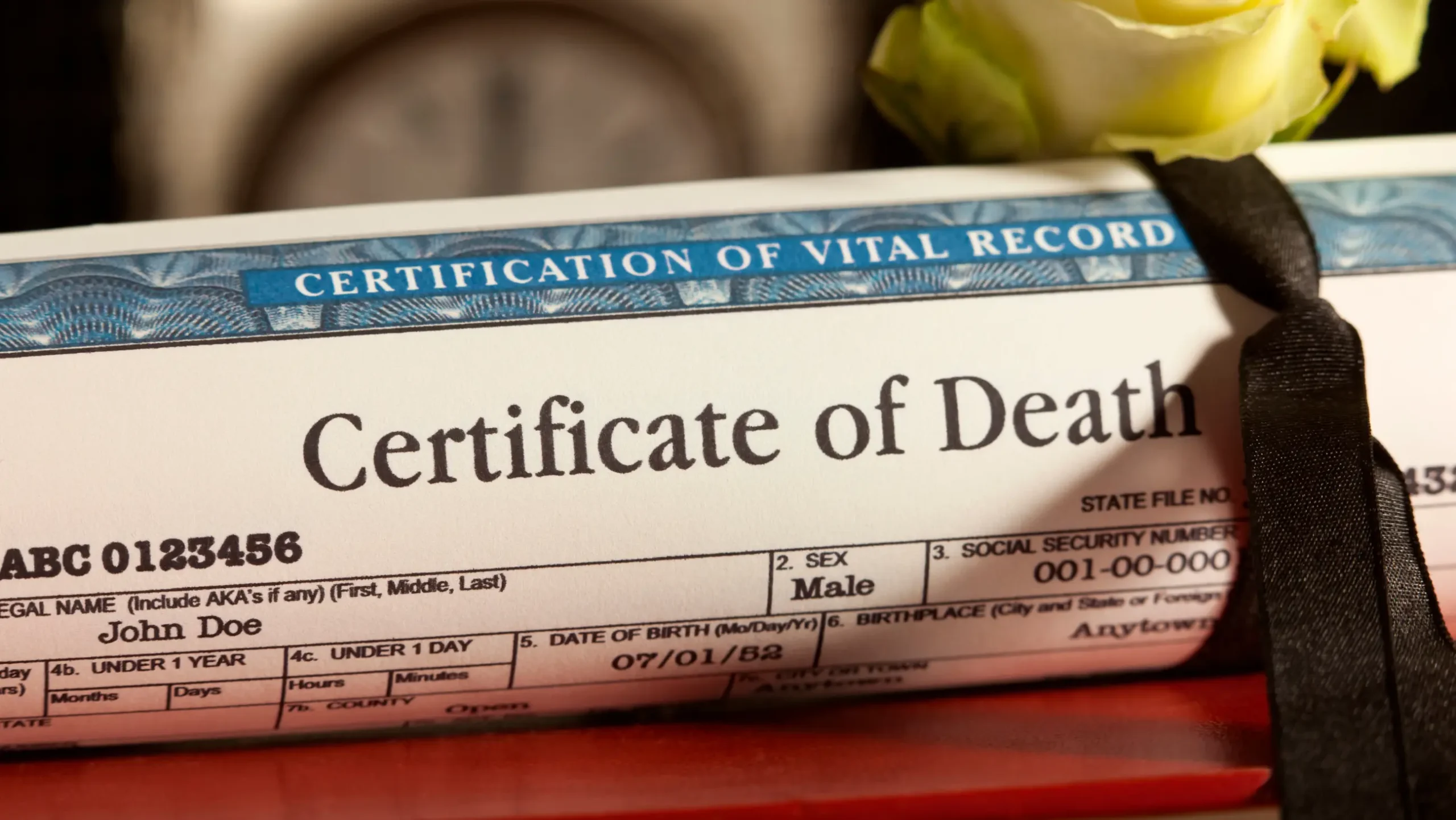
Death must be registered with your state’s Registry of Births, Deaths and Marriages. Timeframes vary by state:
- New South Wales: Within 7 days of burial or cremation
- Victoria: Within 7 days (funeral director typically handles)
- Queensland: Within 14 days from date of death
- Western Australia: Within 14 days from date of funeral service
- South Australia, Tasmania, ACT, NT: Check with your local registry
Your funeral director usually handles this registration for you, which removes one task from your plate.
State Registry Offices:
- Victoria: Births, Deaths and Marriages Victoria
- NSW: NSW Registry of Births, Deaths and Marriages
- Queensland: Queensland Registry of Births, Deaths and Marriages
- Western Australia: WA Registry of Births, Deaths and Marriages
- South Australia: SA Births, Deaths and Marriages
- Tasmania: Births, Deaths and Marriages Tasmania
Once the death is registered, order official death certificates. You need multiple certified copies with the raised seal, not photocopies. Banks, super funds, and insurance companies require original certified copies..
Order at least 5 to 10 certified copies upfront. Each one costs between $50 and $70 depending on your state (as of 2025). If you run out and need more later, you’ll wait weeks for them to arrive. It’s frustrating to discover you need more certificates when you’re already six weeks into dealing with your parent’s estate.
Who Needs to Be Notified After My Parent Dies?

This part feels endless. Every organization wants paperwork, most want certified death certificates, and you’re making the same painful phone calls over and over.
Services Australia (phone 132 300) can provide information about bereavement payments that might be available. The Bereavement Allowance offers financial support for up to fourteen weeks if you were receiving certain Centrelink payments as part of a couple when the death occurred.

The Australian Death Notification Service lets you notify multiple organizations through a single online form. This free government service can notify participating government agencies, financial institutions, and utility providers at the same time. It doesn’t cover everything, but it reduces some of the repetitive paperwork.
Your parent’s superannuation fund must be notified separately from their bank accounts. Super doesn’t automatically form part of the estate and follows different legal rules. Understanding how superannuation works after death can be complex, and many families encounter unexpected delays getting death benefits paid out.
Contact each bank and financial institution individually. They all have their own procedures and thresholds. Life insurance companies need notification if your parent had policies. The Australian Taxation Office needs to know for your parent’s final tax return. The Australian Electoral Commission should be notified to prevent identity theft.
What Happens to My Parent’s Superannuation When They Die?

Superannuation causes confusion because it doesn’t automatically go to the estate. Each super fund operates under its own legal rules.
If your parent made a valid binding death benefit nomination, the super fund must pay the benefit to whoever was nominated. If there’s no nomination, the fund trustee decides how to distribute the benefit based on legal dependency criteria defined under superannuation law.
Contact your parent’s superannuation fund as soon as possible. Most funds aim to process death benefit claims within 3 to 6 months from receiving the first claim form, though complex cases can take longer. There’s no strict deadline for lodging claims, but earlier notification is better. You’ll need a certified death certificate and the fund’s claim forms.
Some funds process claims quickly. Others take six months or longer, leaving families in financial limbo while they wait. If there are multiple potential beneficiaries or disputes, the process extends significantly.
The Australian Taxation Office website has detailed guidance on superannuation death benefits, though navigating it requires patience.
Do I Need Probate After My Parent Dies?
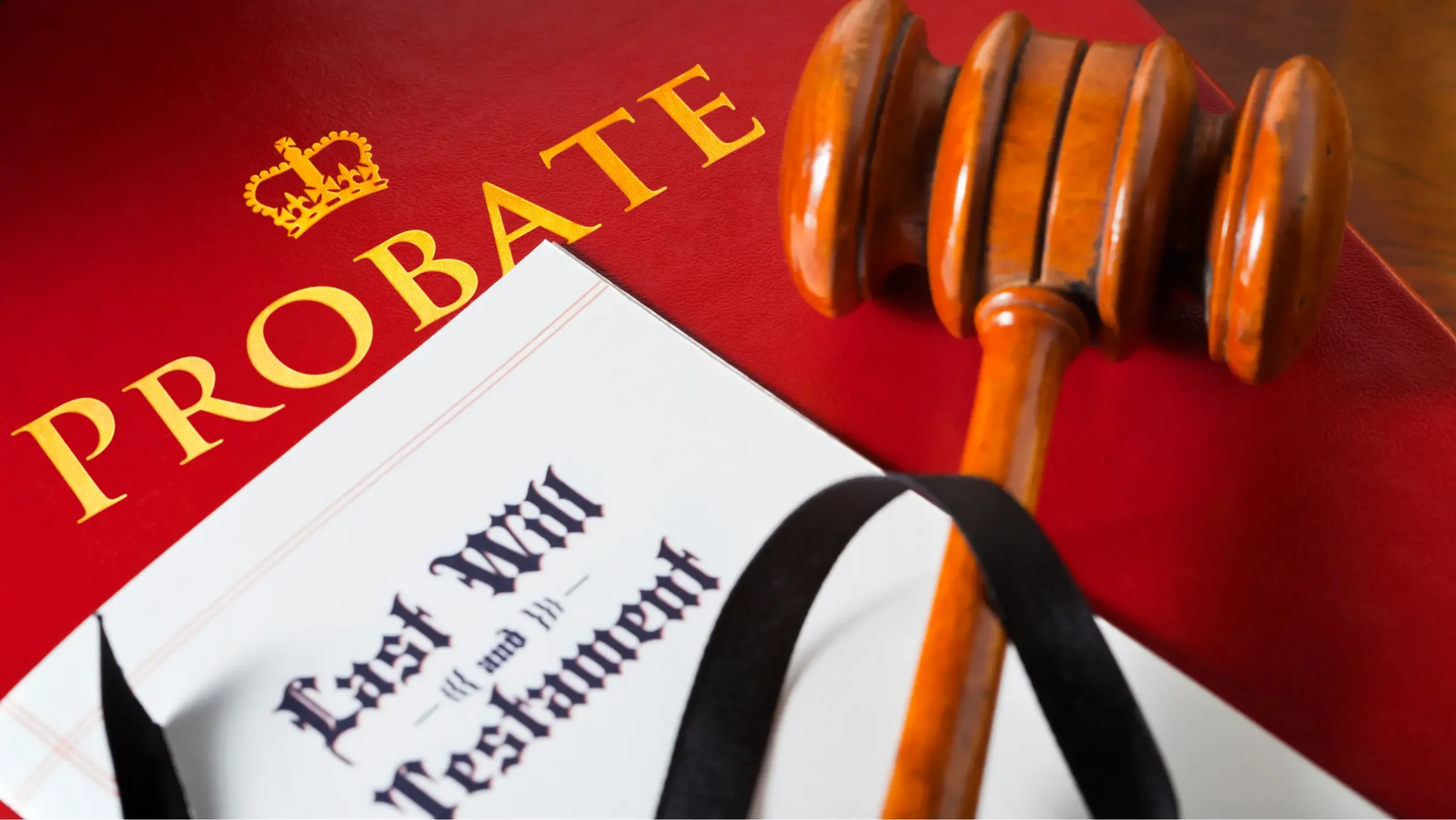
Probate is the legal process where the Supreme Court confirms your parent’s will and formally authorizes the executor to administer the estate. You don’t always need it.
Probate is often unnecessary when there’s no real estate involved, bank balances stay below institutional thresholds (typically $20,000-$50,000 depending on the bank), and superannuation benefits get paid directly to nominated beneficiaries rather than through the estate.
When a parent owned property, held substantial assets, or had complex financial arrangements, probate is usually required. Each financial institution applies its own thresholds and policies, so requirements differ between banks. One bank might release $50,000 without probate while another insists on probate for amounts over $15,000.
Once you lodge an application, the court typically processes probate within 4 to 10 weeks. More complex estates take longer. If there’s no valid will, you need letters of administration instead, which involves additional steps and extended timeframes.
How Much Do Funerals Cost in Australia?

There’s no legal requirement to have a funeral, though lawful disposal of the body through burial or cremation is mandatory.
Funeral costs in Australia vary significantly based on 2025 data:
Basic cremation with a simple service typically costs $3,000 to $7,000. This includes collection of the body, a basic coffin, cremation fees, and a short service.
Traditional burial with full service typically runs $8,000 to $15,000 or more, including burial plot, grave digging fees, and a more elaborate service. In major cities like Melbourne and Sydney, burial plots alone can cost $10,000-$15,000 or more.
Funeral directors must provide itemized quotes under Australian Consumer Law. Don’t feel pressured to choose expensive options out of guilt or obligation. Many funeral homes offer payment plans when asked directly.
Check your parent’s paperwork for funeral insurance or a funeral bond. Superannuation funds sometimes include funeral cover as part of life insurance benefits. The Moneysmart website provides practical information about paying for funerals.
Memorial services don’t need to happen immediately. Some families arrange a small funeral first and plan a larger celebration of life months later when extended family can travel or when everyone feels more emotionally ready.
What Are Living Memorial Options in Australia?

Many Australian families are moving away from traditional burials toward living memorials. Memorial trees create a growing tribute while supporting native habitat restoration.
Mornington Green Legacy Gardens on the Mornington Peninsula offers living legacy trees starting from $8,000 including GST with no hidden fees or ongoing charges. Ashes are scientifically treated and infused into a tree of your choice in protected botanical gardens. This includes the tree, ongoing care, ceremony, customized plaque, and the ability to add multiple family members over time.
Living legacy trees offer an environmentally sustainable alternative to traditional burials. Families can visit year-round, attend garden events, and watch their tree grow while creating new memories together.
Where Can I Get Support While Dealing With My Parent’s Death?

The administrative tasks eventually finish. The fog of early grief lifts. But moments still come, sometimes years later, when the loss feels as sharp as it did in the beginning. That’s not failure to heal. That’s love persisting beyond death.
Australian support services available:
- Griefline: 1300 845 745 (8am-8pm AEST, 7 days a week) Free grief support helpline with trained volunteers who listen and provide support
- Services Australia: 132 300 Information about bereavement payments and support
- Medicare-subsidized counseling: Your GP can provide referrals through the Better Access scheme, covering up to 10 subsidized psychology sessions.
- Australian Centre for Grief and Bereavement Face-to-face counseling and support groups
- Lifeline: 13 11 14 (24 hours, 7 days) Crisis support available anytime
How to Honor Your Parent’s Memory
Honoring a parent’s memory happens in countless ways. Families keep recipes alive, support causes the deceased cared about, or tell stories about them to the next generation.
Some families find comfort in creating a physical place to visit and remember. Traditional headstones serve this purpose for many. Living memorial trees offer an alternative where families can sit in peaceful bushland, watch their tree grow through the years, and know it’s contributing to environmental restoration.
There’s no single right way to navigate this journey. Trust what feels right and seek help when the weight becomes too heavy.