Disrespectful Things To Do With Ashes: What Families in Australia Need to Know
Cremation is now the most common way Australians say goodbye to someone who has died. In 2024, the Australian Bureau of Statistics recorded 187,268 deaths, and for many families, deciding what to do with the ashes can feel unclear and overwhelming.
There are no simple rules, and many people are left making decisions they were not prepared for.
Some choices are widely seen as disrespectful across different cultures, families, and legal frameworks. This article explains what those choices are, why they can cause problems, and what families in Victoria are choosing to do instead.
Throwing Ashes Away or Disposing of Them Without Purpose
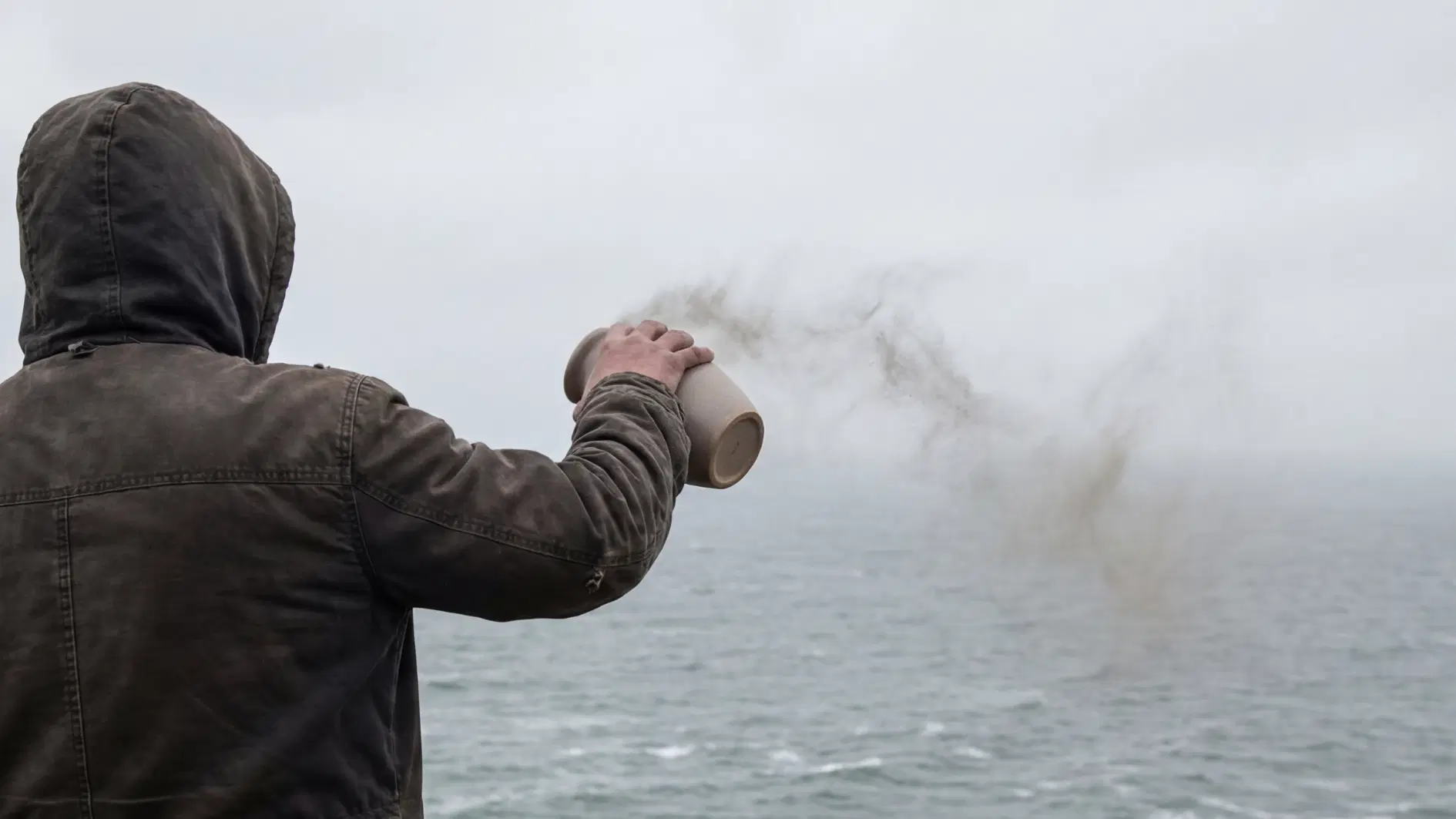
Placing cremated remains in household rubbish, flushing them, or leaving them in a temporary plastic container from the crematorium for years without a plan, are the most clear-cut forms of disrespect. The remains are the physical result of someone’s life. Treating them as something to deal with later, and then never dealing with them, is how families end up with regrets they cannot undo.
Under the Cemeteries and Crematoria Regulations 2025 (the current operative regulations in Victoria), once ashes leave the crematorium they are the legal property of the family. There is no requirement to dispose of them in a public cemetery. Families have genuine choice. What they do not have is an excuse for neglect.
Your guide to a living memorial
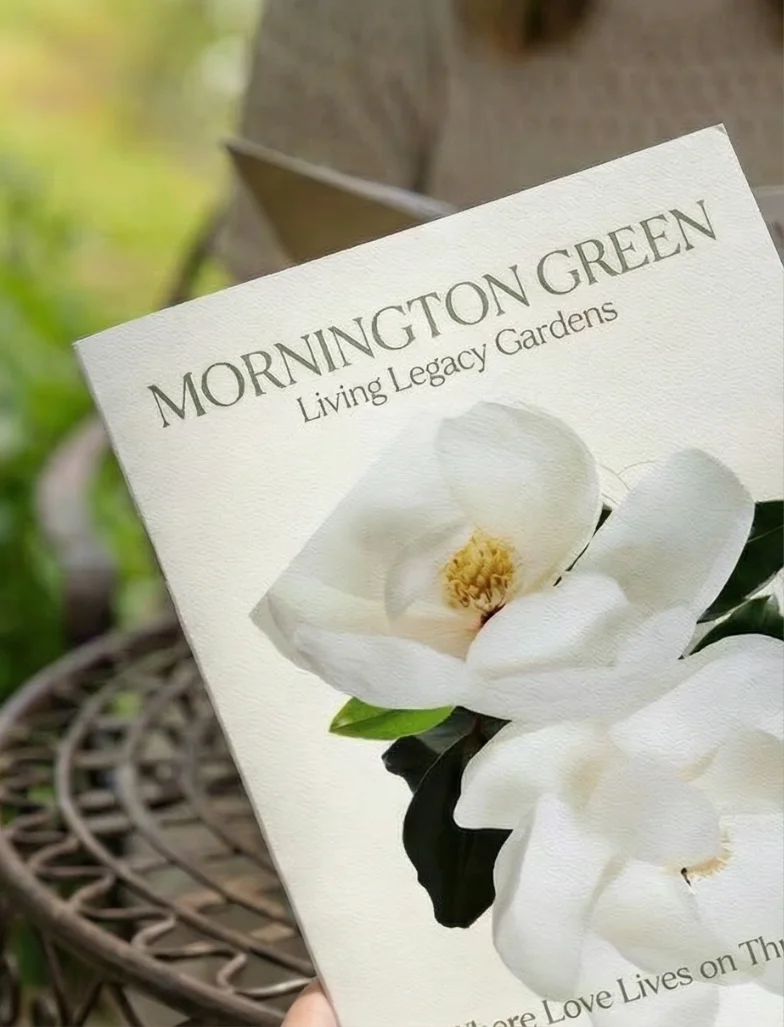
Download our free brochure to explore tree varieties, planting locations, and how a memorial tree can become a lasting place for remembrance.
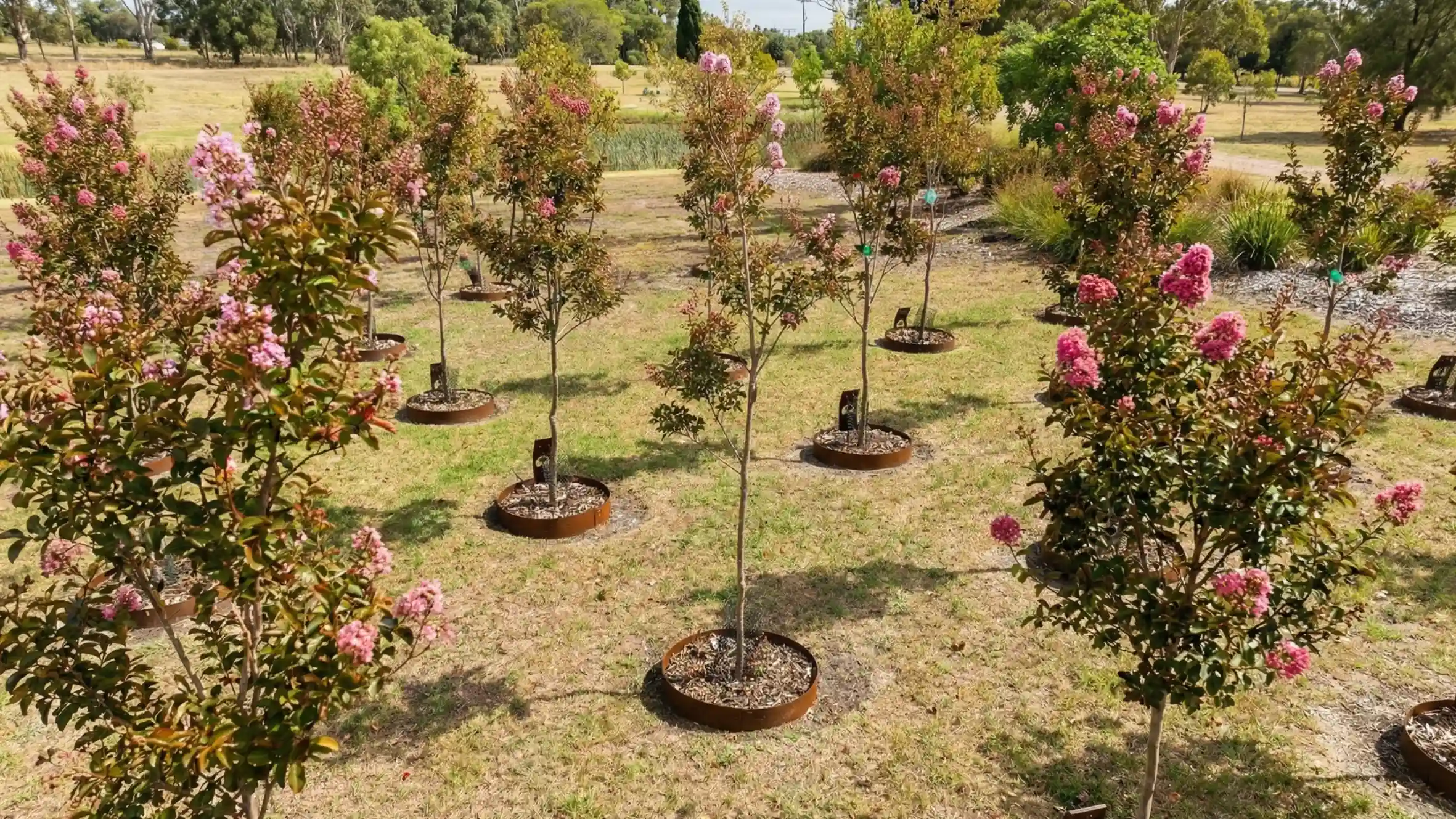
Families who want a permanent, considered resting place often choose a living memorial. At Mornington Green Living Legacy Gardens in Somerville, Victoria, ashes are incorporated into a living tree through a documented, respectful process. Families select the tree, attend a ceremony, and have somewhere to return to.
Scattering Ashes Without Checking the Rules First
Scattering in a meaningful location is a valid choice, but getting it wrong, legally or environmentally, can turn a moment of remembrance into a mess.
The environmental side is less well understood. Cremated ashes are not neutral. They have a pH of around 11.8, comparable to bleach, and a sodium content many times higher than plants can survive. A 2014 Melbourne study found that untreated ashes killed 90% of seedlings within 21 days of contact with soil. Scattering directly onto grass, garden beds, or in parks does real and lasting damage to the ground.
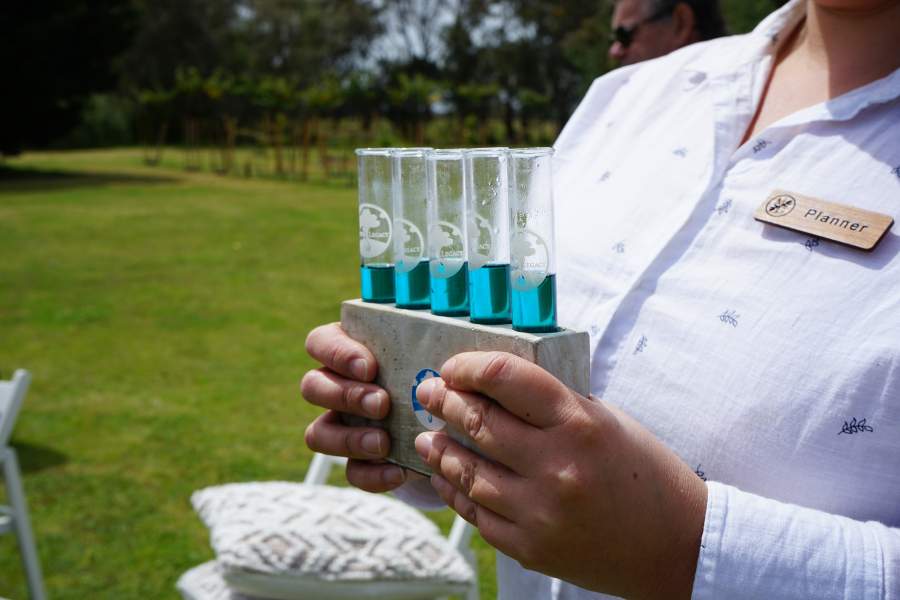
Mornington Green treats all ashes through a patented process before incorporating them into a tree. The treatment neutralises the pH and salt, and converts the remains into nutrients the tree can use. It is the only process of this kind used by local and state government cemeteries in Australia.
Ignoring Cultural and Religious Traditions
In many Buddhist traditions, the spirit needs a clear pathway after death. Keeping ashes in the family home, or failing to place them in a dedicated site within a specific timeframe, is understood to interfere with that. Many Buddhist families place remains in a temple or memorial garden within 49 days.
The Catholic Church’s position, stated in a 2016 Vatican document, is that ashes should not be kept at home. They should be interred in a dedicated sacred space such as a cemetery or memorial garden. Dividing ashes or scattering them is also against the Church’s guidance.
In many Chinese and Vietnamese households, keeping cremated remains in a shared living space is considered inauspicious. The home is for the living. Remains are placed in a temple, a dedicated memorial, or a garden.
If you are not sure what your family’s tradition requires, ask a religious or community leader before making any decisions. Getting it wrong often cannot be undone.
Making Decisions About Ashes Without the Whole Family
Cremated remains do not belong to one person. Mixing the ashes of multiple people without full consent from all families involved causes serious conflict, and it happens more often than most people expect.
The same applies to dividing ashes without discussion, incorporating them into keepsakes without agreement, or choosing a resting place that other close family members had no say in.
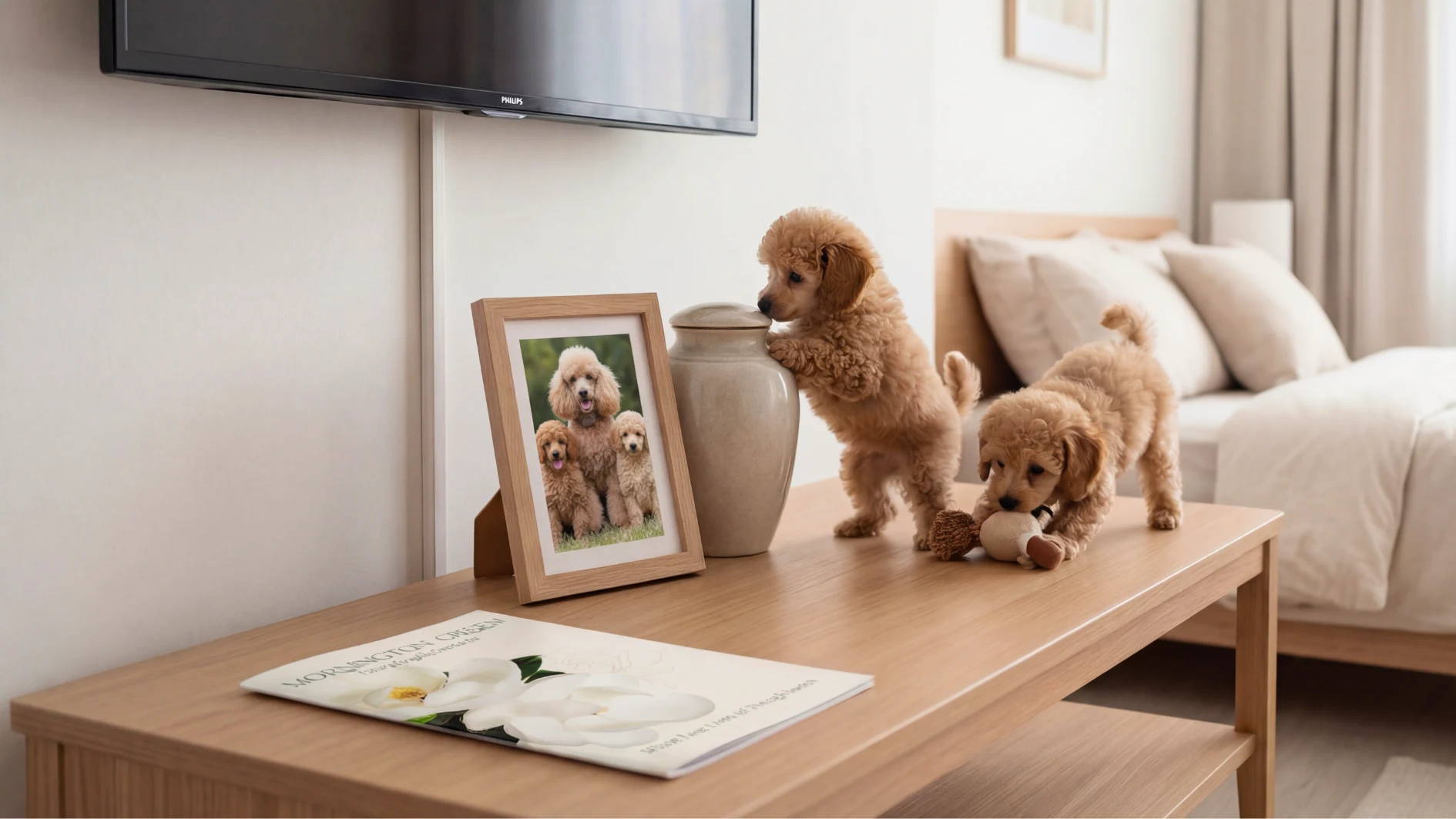
At Mornington Green, families can choose to add the ashes of more than one person, including pets, to a single Living Legacy Tree over time. Every addition is a deliberate, documented, family-agreed decision. Nothing happens without the family knowing.
Using Ashes in Ways the Person Would Have Hated
Ash-infused jewellery, vinyl records, tattoo ink, and compressed memorial diamonds are all legitimate options that some families find meaningful. None of them are inherently disrespectful.
What makes them disrespectful is choosing them without any consideration of whether the person would have approved. A private, reserved person being pressed into a diamond and placed on display is not a tribute. It is the family’s preference overriding the individual’s.
Before choosing any unconventional option, ask one question: would this person have liked this? If you genuinely do not know, a simple, considered resting place is safer than a creative one.
Keeping Ashes at Home for Years With No Plan

Keeping ashes at home in the weeks and months after a death is common and understandable. There is no legal requirement to do anything quickly. The problem is when keep ashes stay at home for two, three, or five years without a decision ever being made. The family meant to sort it out. They never did. Now the ashes are in a drawer or on a shelf and no one talks about them.
Research from the Australian Institute of Family Studies shows that family coping patterns are the strongest predictor of how well people manage grief over time, not any single decision about the remains. But an unresolved situation around ashes can become a point of ongoing friction, guilt, or avoidance in a family.
A Living Legacy Tree gives the family a permanent, protected place to go. Unlike a home, the garden does not get sold, moved, or cleared out. The tree is there in every season, and so is the plaque, and so is the place to sit.
Ignoring What the Person Asked For
If the person who died told you what they wanted, not honouring that is the most direct form of disrespect possible. It does not matter if the logistics are inconvenient, or if another family member prefers something different.
Pre-planning removes this problem entirely. When someone chooses a Living Legacy Tree for themselves before they die, the choice is documented and the family does not have to decide anything under grief. The person made their own decision. The family’s job is simply to carry it out.
Victorian law treats ashes as property belonging to the family, with the specific condition that they must be handled with respect. The most direct way to meet that condition is to do what the person asked.
What Families in Victoria Are Choosing Instead
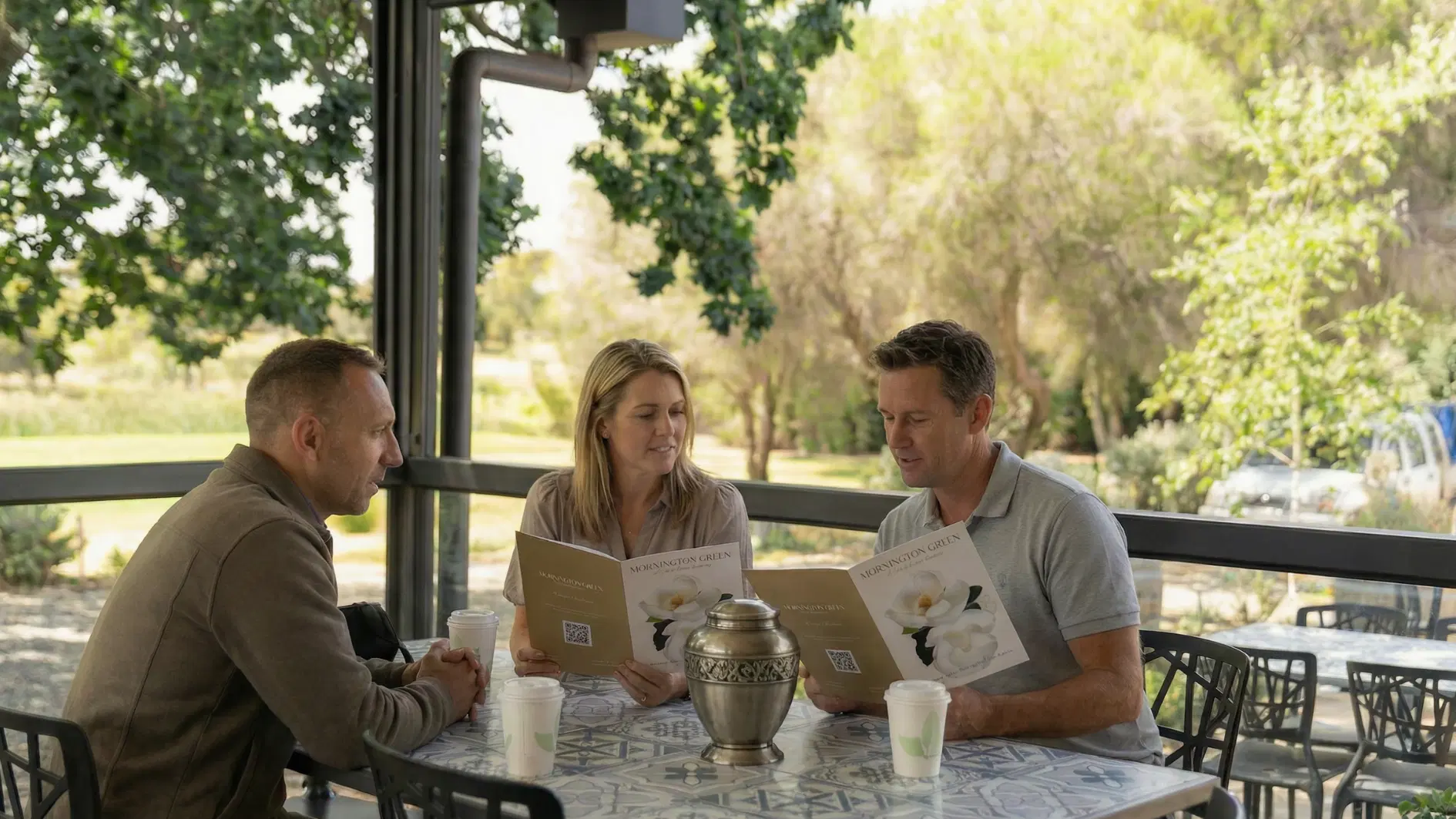
These are the most common alternatives to keeping ashes at home, ranked by how often families at Mornington Green choose them.
- Living Legacy Memorial Trees. Ashes are treated and incorporated into a living tree within a protected garden. Mornington Green offers 26 species. At-need trees for someone who has already passed are already established, up to five metres tall.
- Natural burial. Remains are returned to the earth in a designated natural burial ground without chemicals or concrete. The site is managed for long-term environmental preservation.
- Scattering at sea. No permit is required to scatter ashes at sea or at the beach in Australia. Permission is required from the vessel owner if you are scattering from a boat. Be aware of others nearby and scatter downwind.
- Cemetery interment. Offer cremation memorial options including niche walls, garden beds, and dedicated plots. These are available in perpetual tenure (no expiry) or limited tenure (25 years).
Frequently Asked Questions
Is it disrespectful to keep ashes at home?
Not in the short term. Many families keep ashes at home while they decide what to do. It becomes a problem when years pass and the decision never gets made, leaving the remains without any real resting place.
Can you scatter ashes anywhere in Victoria?
No general permit is required, but specific locations have their own rules. The Royal Botanic Gardens prohibits it. The MCG prohibits it. For public land, contact the local council first. For private land, get permission from the owner. Full guidance is on the Mornington Green scattering guide for Victoria.
Are cremated ashes bad for the environment?
Yes, if untreated and scattered directly onto soil. Cremated remains have a pH of around 11.8 and a high salt content that kills plant life. A 2014 Melbourne study found untreated ashes killed 90% of seedlings within 21 days. Scattering at sea or into moving water dilutes the impact significantly. Incorporating ashes into a tree through a treatment process, as Mornington Green does, means the remains become nutrients rather than toxins.
What if no one knows what the person wanted?
Talk to immediate family first and try to reach a consensus. If there is no guidance and no agreement, choose the simplest option that no one objects to. Families genuinely stuck can contact Mornington Green for a no-pressure conversation about what different options actually involve.
How do we avoid family arguments about what to do with ashes?
Include all immediate family in the conversation before any decision is made. Decisions made by one person alone, even with good intentions, are the most common cause of lasting resentment. Focus the conversation on what the person who died would have wanted, not on individual preferences.
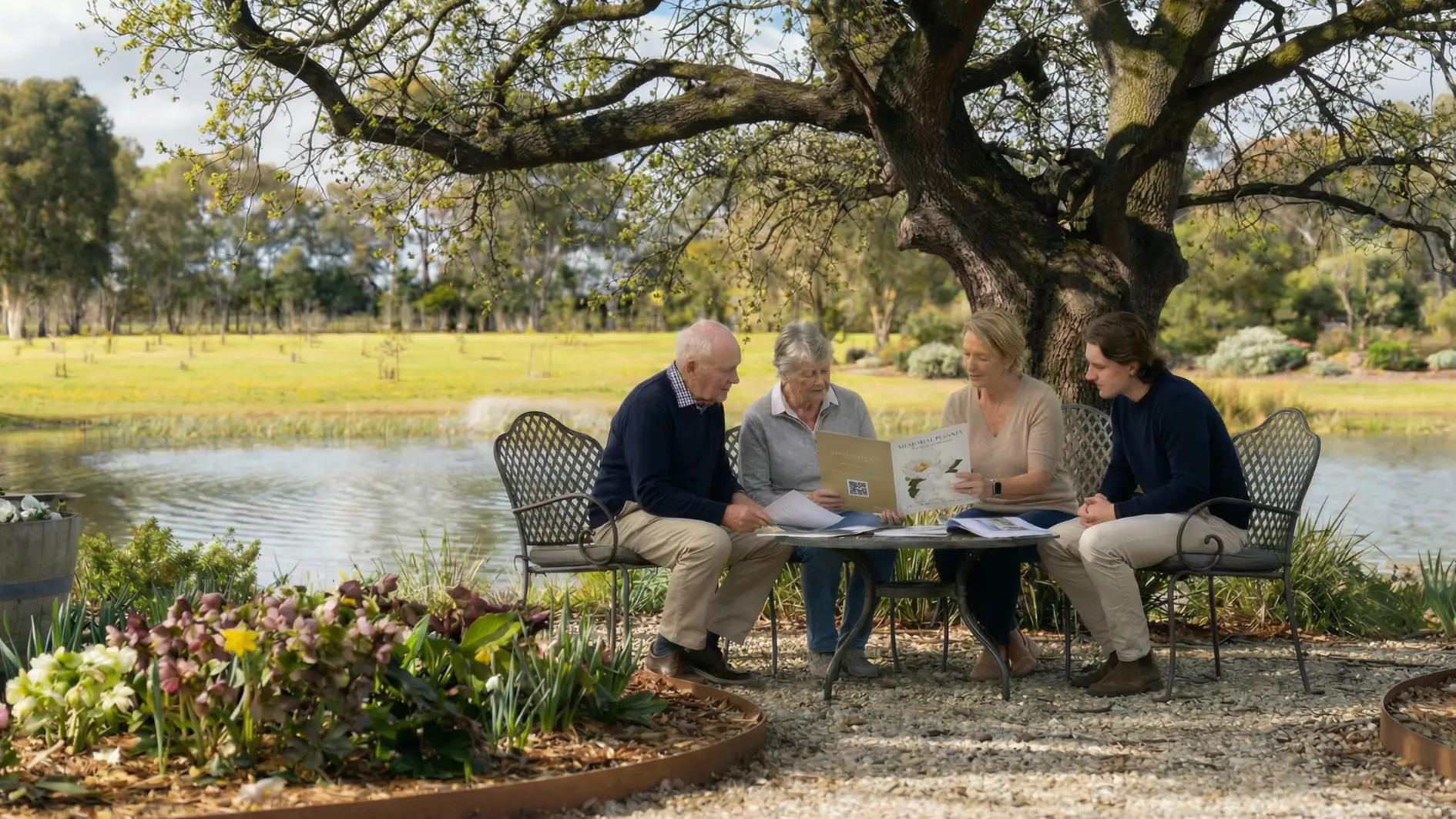
The Mornington Green team is available for conversations at any stage, including before any decision has been made. Download the free brochure to see the tree species, the planting process, and what a Living Legacy Tree actually looks like.