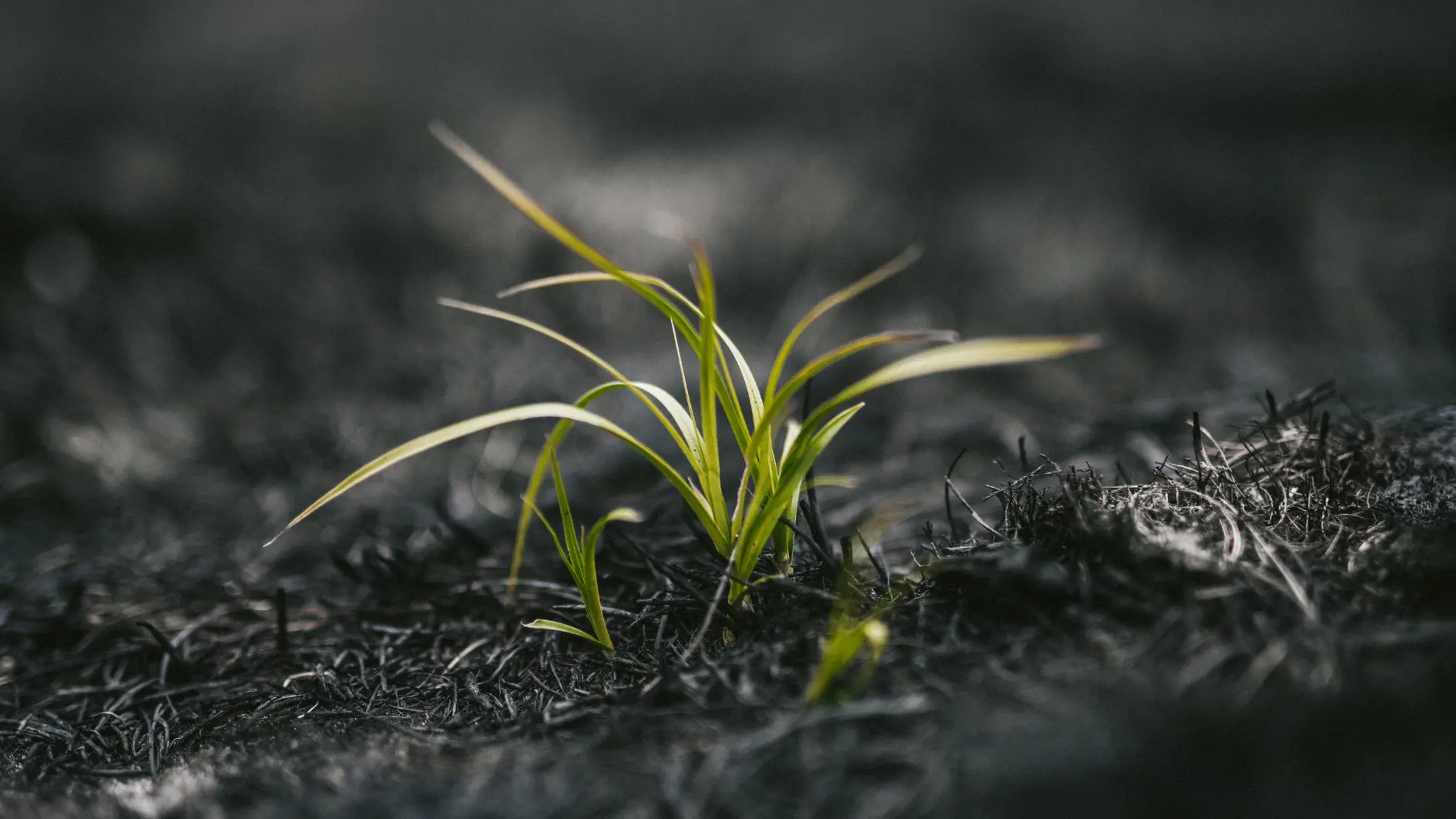
When someone you love has been cremated, the question of what to do with their ashes carries real weight. Many families want to return them somewhere meaningful, somewhere that feels like nature. It is a good instinct. The science, though, is something most families are not told.
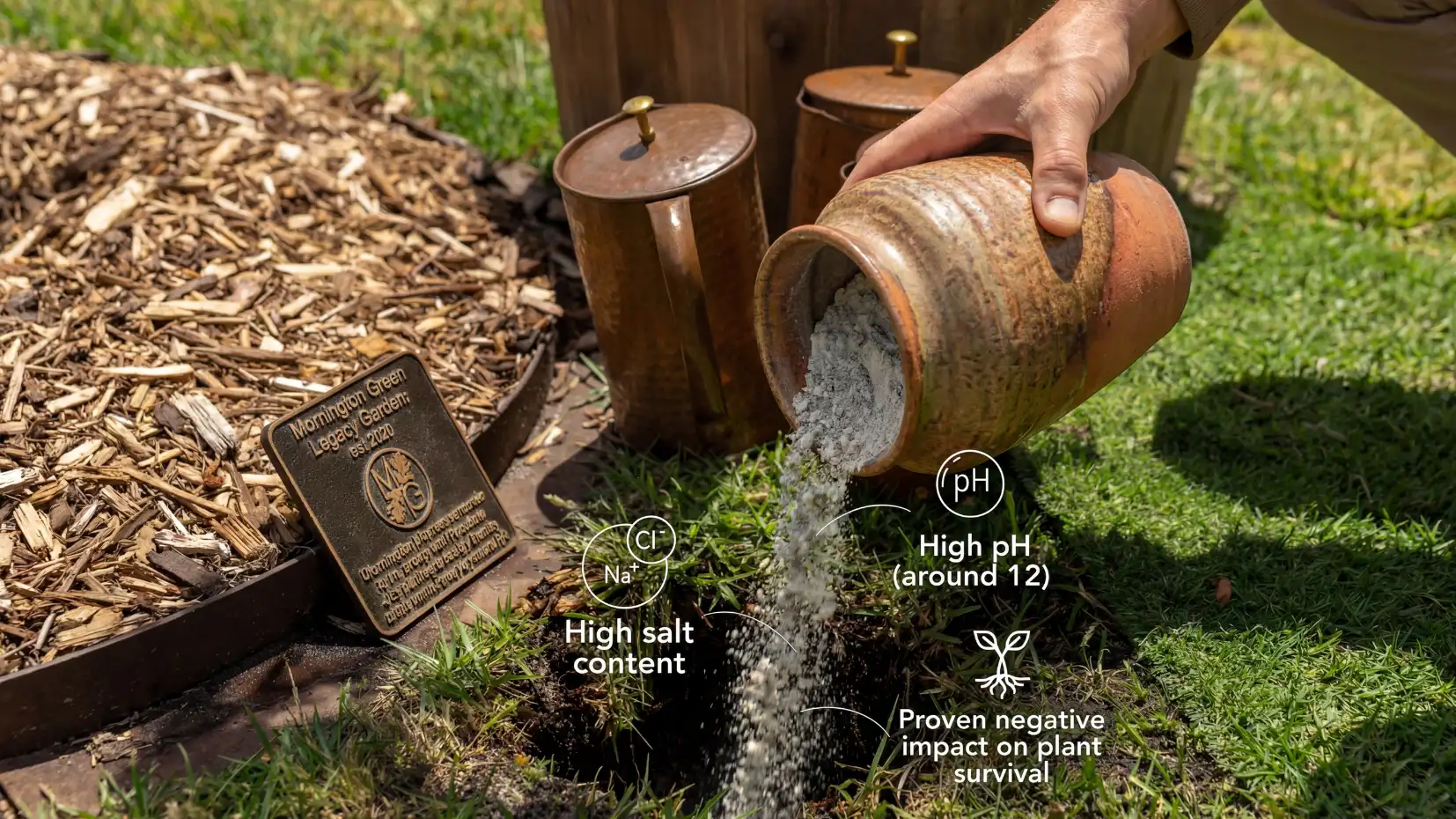
Yes, if untreated and scattered directly onto land. Cremated ashes have a pH of around 12, the same as bleach, and contain sodium at levels 200 to 2,000 times higher than plants can tolerate. They do not nourish the ground. They damage it.
Most families do not know this. Scattering ashes in a garden, a forest, or a meaningful outdoor spot feels like a natural, respectful choice. The chemistry tells a different story. This article covers what the science shows, what it means for common choices like sea scattering and biodegradable urns, and what families in Victoria are doing to give someone a genuinely environmental memorial.
Why Cremated Ashes Harm Soil and Plants
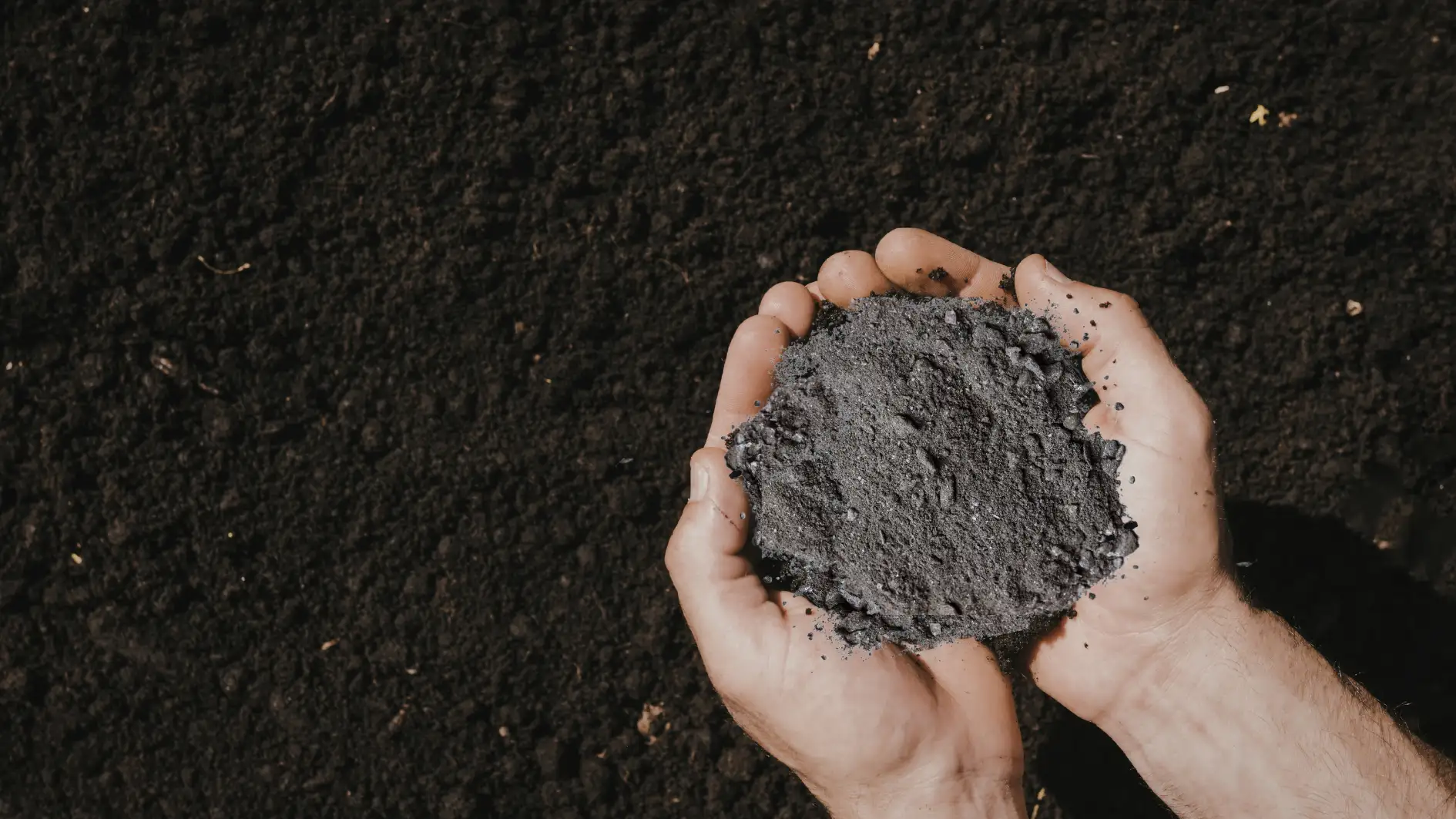
Cremated ashes look like fine grey powder, but chemically they are nothing like the wood ash from a fireplace or the bone meal sold at a garden centre. They are the calcified mineral remains of bone, processed at temperatures between 760 and 980 degrees Celsius. Everything organic is gone. What is left is largely calcium phosphate, along with significant sodium, potassium, and sulphate.
The problem is the combination of extremely high alkalinity and extremely high salt. The two together create soil conditions that most plants cannot survive.
Your guide to a living memorial
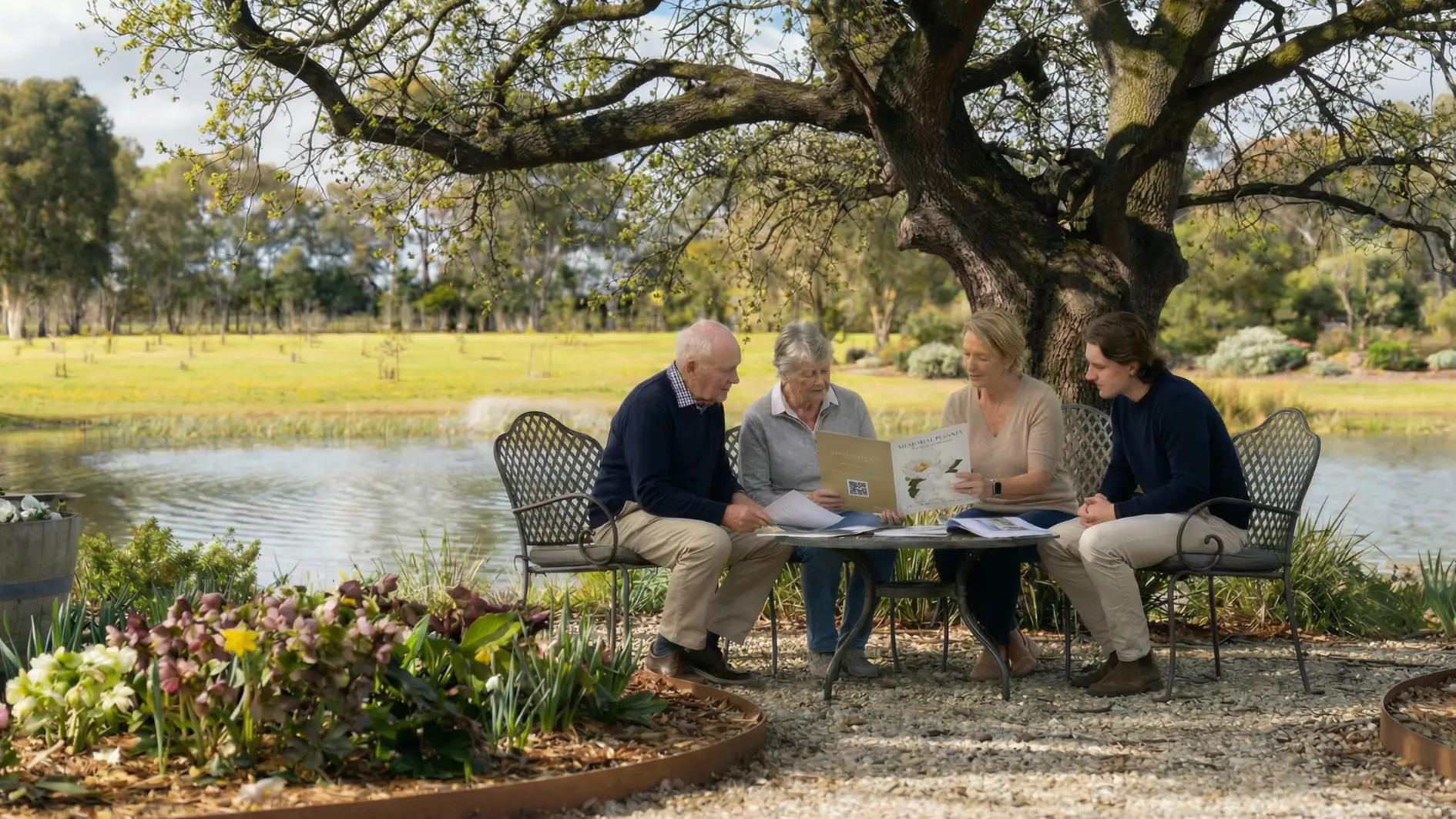
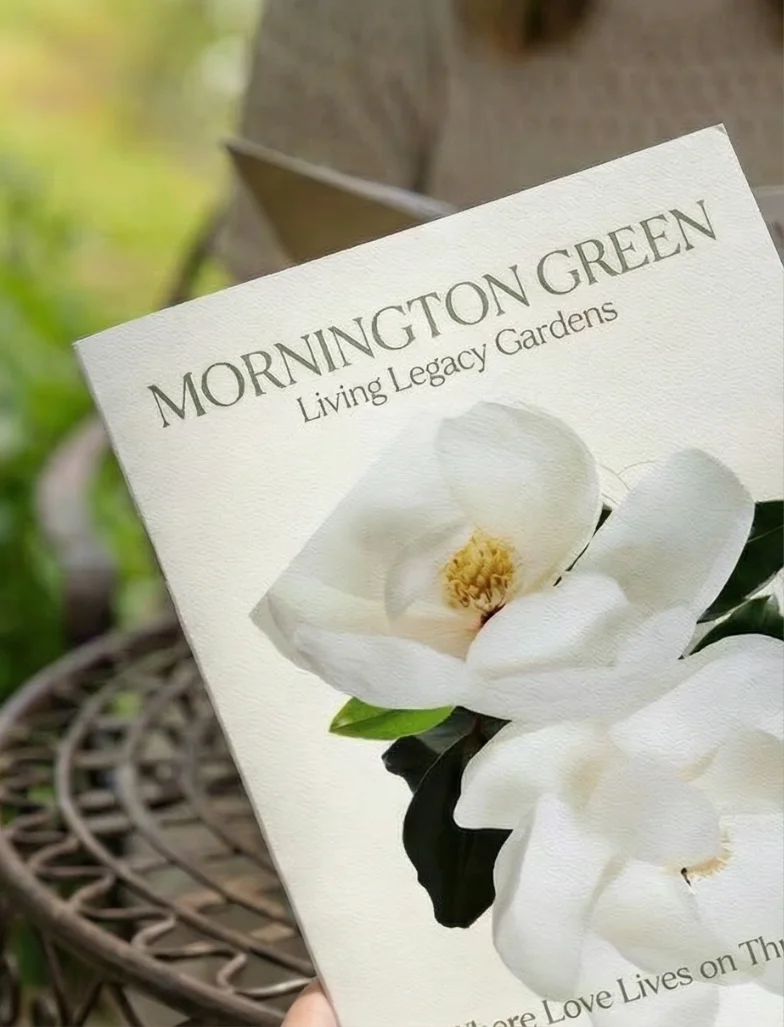
Download our free brochure to explore tree varieties, planting locations, and how a memorial tree can become a lasting place for remembrance.
The pH of cremated ashes sits at around 12 out of 14. For context, healthy garden soil sits between 6 and 7. The pH scale is logarithmic, which means a pH of 12 is not slightly higher than 7. It is around 100,000 times more alkaline than the level at which most plants can grow. This disrupts the soil’s ability to release nutrients, blocks photosynthesis, and damages plant tissue at the root level.
The salt content compounds the problem. Cremated remains contain approximately one cup of sodium per average set of ashes. Sodium at those concentrations is 200 to 2,000 times higher than plants can tolerate. It draws water out of root cells, effectively dehydrating the plant from the inside. This is not a slow decline. It is rapid and often irreversible.
A 2022 peer-reviewed study published in Environmental Science and Pollution Research measured vegetation in a scattering garden over six years and found approximately half had degraded to unhealthy or bare soil. The more frequently ashes were scattered in any one area, the more severe the damage. This is consistent with independent Australian laboratory testing that found 90% of seedlings placed in direct contact with untreated cremated remains died within 21 days. The toxicity is not subtle and it is not disputed.
The calcium content adds a third layer of harm that is easy to miss. Ashes are rich in calcium, but at the concentrations found in cremated remains, calcium does not feed plants. It does the opposite. Excess calcium blocks the plant’s ability to absorb water and carry out photosynthesis, which shows up visibly as browning, scorching, and spotting on leaves. Families who scatter ashes in a garden expecting nothing to happen often notice these symptoms in the weeks that follow and do not connect the two.
This points to the broader problem: the minerals in cremated remains are not balanced in a way that supports plant growth. There is too much of some things and not enough of others. Even if the pH and sodium were not an issue, the nutrient imbalance alone would suppress healthy growth in most plants.
Beyond plants, concentrated ash deposits alter the microbial community in the soil. The bacteria and fungi that break down organic matter and cycle nutrients through the ground cannot operate at pH 12. When they die off, the soil loses its ability to support new life for years, sometimes decades. This is why the harm from scattering is not just about the immediate area. It affects the ecosystem around it.
Wondering what to do with ashes that does not harm the environment? Download the free Mornington Green brochure to see how treated ashes can become a living tree.
Is Scattering Ashes at Sea Different?
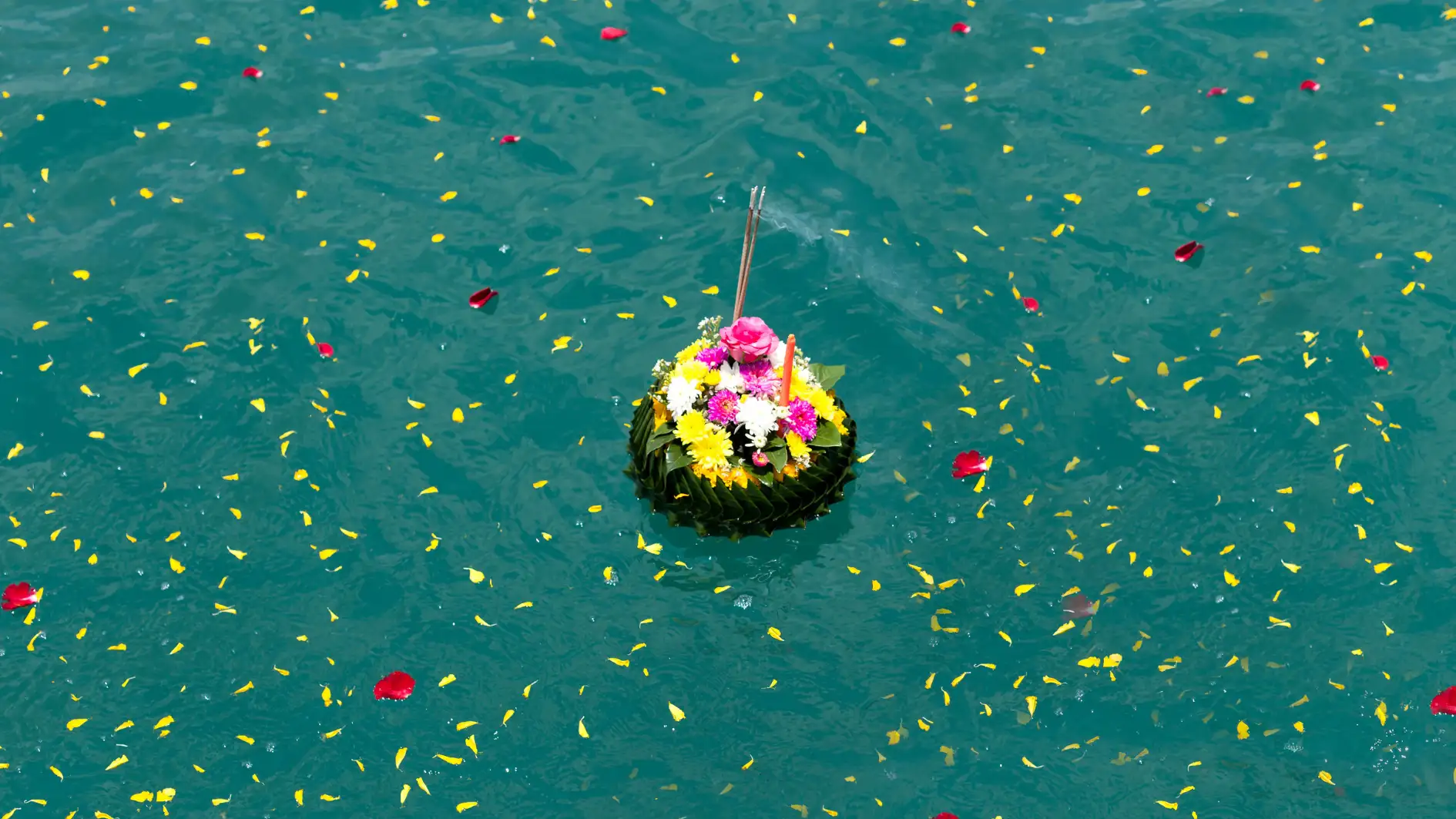
Yes. Scattering at sea or from a beach is meaningfully different from scattering on land, and it is the one form of scattering that does not cause concentrated environmental harm.
When ashes enter the ocean or a large body of moving water, the chemistry is diluted immediately. The alkalinity and sodium disperse into a volume of water where they become negligible. Marine ecosystems evolved in a salt-rich, high-mineral environment. The impact of cremated remains at sea is genuinely low.
Scattering in a river, lake, or small stream is a different matter. Smaller and slower-moving bodies of water do not dilute at the same rate, and ash that settles on the riverbed or bank can affect riparian plant life. There is also an additional risk that most people are not aware of: eutrophication.
Eutrophication is what happens when a body of water becomes over-enriched with nutrients, particularly phosphorus, causing algae to grow rapidly and bloom in dense concentrations. Some of those algal blooms are toxic. Australians are familiar with this problem in a different context.
The 1991 blue-green algal bloom that stretched 1,000 kilometres along the Darling-Barwon River is one of the most documented environmental events in Australian history. Cremated ashes scattered in quantity into slow-moving or enclosed waterways add phosphorus and other nutrients to that system. It is not a large-scale industrial risk from a single scattering, but families who are thinking about a waterway that matters to them should know the chemistry works against it.
In Victoria, no permit is required to scatter ashes at sea. Guidance on locations and what to consider is available on the Mornington Green scattering guide for Victoria.
For families who want an ocean scattering but also a permanent place to return to, some families split the ashes, scattering a portion at sea and incorporating the rest into a Living Legacy Tree. This is a documented, discussed process at Mornington Green. Nothing happens without family agreement.
Do Biodegradable Urns Solve the Problem?
No. This is probably the most widely held misconception in eco-friendly funeral planning, and it is worth being direct about.
A biodegradable urn is made of material that breaks down over time, typically cardboard, salt, paper, or compressed plant matter. The urn decomposes. The ashes inside do not. The pH of 12 and the concentrated sodium remain in the soil exactly as they would if the ashes had been placed there loose.
In many cases, a biodegradable urn actually concentrates the harm. The ashes are held in a small, contained area rather than being dispersed. As the urn breaks down, the toxic chemistry leaches directly into the surrounding soil. Independent laboratory tests showed 90% of trees planted in biodegradable urns containing untreated ashes died from the same toxic shock as direct scattering.
The urn is not the problem and the urn is not the solution. The chemistry of the ashes is the problem. An urn that changes shape over time does not change that chemistry.
Can Ashes Actually Support Life?
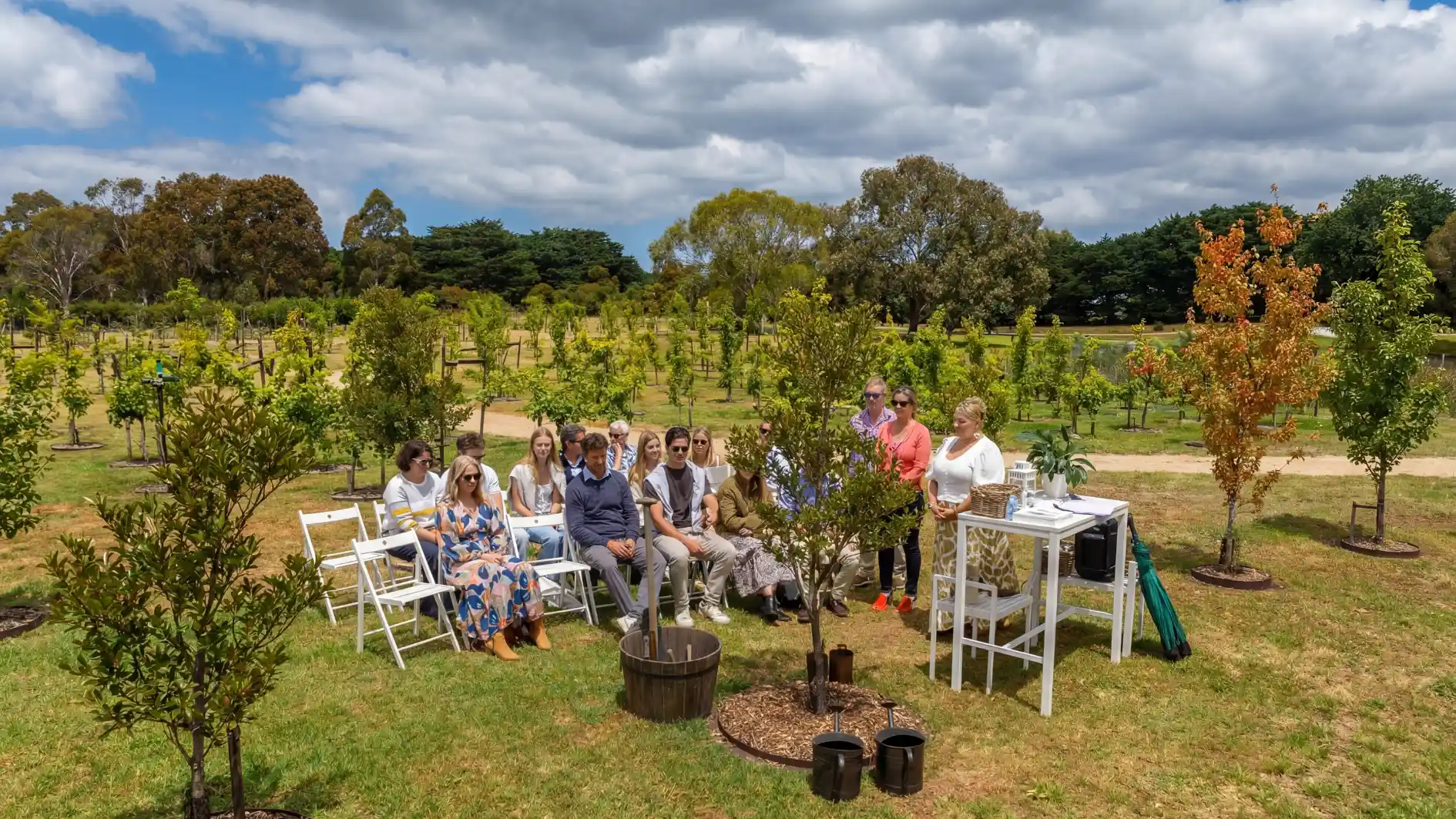
Yes, but only with a specific treatment process. The chemistry that makes untreated ashes toxic can be corrected, and when it is, the minerals in cremated remains become something genuinely useful to a tree.
The Living Legacy process, developed by a team of scientists led by Dr Mary Cole, uses a targeted microbial treatment to neutralise the alkalinity and salt in cremated remains. The process converts calcium phosphate, potassium, and other minerals from a toxic concentration into a bioavailable form the soil can use.
The mechanism is biological, not just chemical. At night, a tree’s roots release a liquid called exudate. This signals the microbial community in the surrounding soil, which responds by breaking down organic and inorganic matter into forms the roots can absorb. When the treated ash is incorporated into the soil around the tree, those microorganisms process the minerals into nitrogen and potassium, the two nutrients trees need most.
This is why a Living Legacy Tree grows from the ashes rather than around them. Without the treatment step, roots grow around ash deposits and sometimes die from the exposure. With it, the tree actively incorporates the remains as part of its growth.
The Living Legacy process is the only ash treatment used by local and state government cemeteries in Australia. It is patented and specific to this application. There is no equivalent available through biodegradable urn providers or home remedies.
“We wanted a place where it is peaceful and quiet, where we could celebrate Mum’s life. My 2 children, who are still young, needed a place where they could hug Mum as a tree. Have a flower next to their bed at night.”
Nicole Taylor
Ready to understand your options? The Mornington Green team is available at any stage, without pressure. Contact us here or visit the gardens in Somerville.
What Your Options Actually Do to the Environment
If you are thinking about scattering ashes in a meaningful outdoor place, the chemistry matters. It does not mean the intention is wrong. It means the method needs to account for what untreated ashes do to the ground. Scattering at sea or from a beach is the safest environmental choice for land-free dispersal. Scattering in a garden or on land that matters to the family will cause damage to that place, often for years.
If you are thinking about keeping ashes at home in an urn, the ashes themselves are chemically stable and safe. They will not change, decompose, or cause harm in storage. Whether home storage is the right long-term decision is a separate question, but it is not an environmental concern.
If you want a memorial that is genuinely positive for the environment rather than neutral or harmful, a Living Legacy Tree is the only option that meets that standard. The treated ashes contribute to the tree’s growth. The tree sequesters carbon over its lifetime.
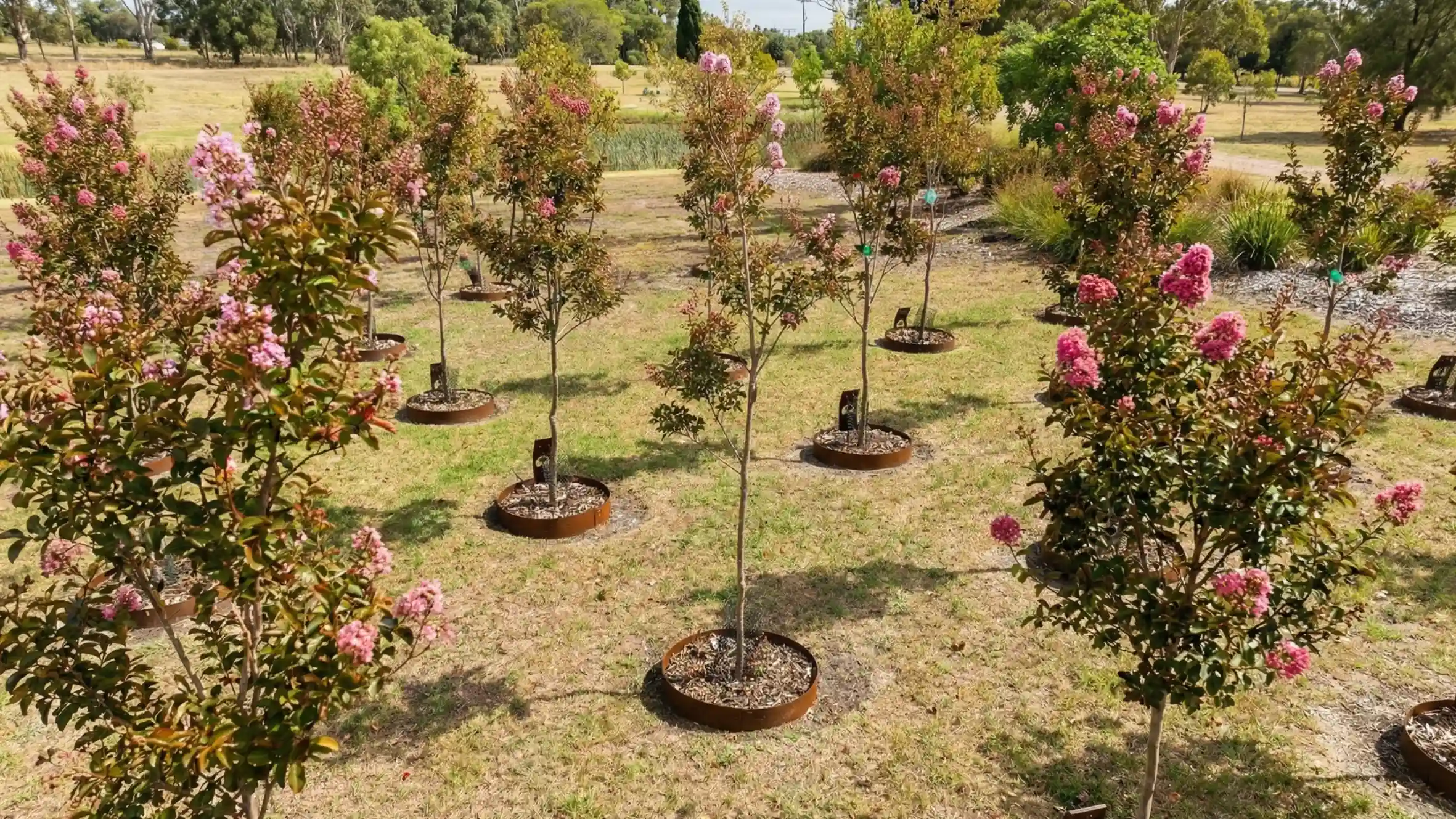
At Mornington Green Living Legacy Gardens, families choose from 26 tree species. At-need trees for someone who has already passed are already established and up to five metres tall. Pre-planned trees are newly planted when chosen. Multiple family members, including pets, can be added to the same tree over time. Every addition is a separate, documented, family-agreed process.
Frequently Asked Questions
Are cremated ashes bad for the environment?
Yes, if untreated and scattered on land. They have a pH of around 12 and sodium levels 200 to 2,000 times higher than plants can tolerate. A 2022 peer-reviewed study in Environmental Science and Pollution Research found approximately half of all vegetation in a scattering garden degraded to unhealthy or bare soil after six years. Independent Australian lab testing found 90% of seedlings in direct contact with untreated ashes died within 21 days. Scattering at sea disperses the chemistry enough to avoid concentrated harm.
Are cremated ashes good for soil or plants?
No, not without treatment. While ashes contain calcium, potassium, and phosphorus, the pH imbalance and sodium concentration make them toxic to most plant life. The minerals in cremated remains only become useful to plants after a specific treatment process that neutralises the harmful chemistry.
Can I scatter ashes in a garden in Australia?
Legally, yes in most cases with appropriate permissions. But the environmental impact is real. Scattering untreated ashes in a garden or planted area will damage the soil and plants in that space, sometimes for many years. If the garden matters to your family, scattering there is likely to harm it. Full legal guidance for Victoria is available on the Mornington Green scattering guide.
Are biodegradable urns environmentally friendly?
The urn decomposes. The ashes inside do not. Untreated ashes in a biodegradable urn cause the same chemical harm to surrounding soil as direct scattering, often in a more concentrated form. Laboratory tests showed the same 90% seedling death rate whether ashes were scattered loose or placed in a biodegradable urn. The solution is treating the ashes, not changing the container.
What is the most environmentally positive thing to do with ashes?
A Living Legacy Tree at Mornington Green is the only memorial option where treated ashes actively contribute to a tree’s growth. The tree sequesters carbon over its lifetime, offsets the carbon footprint of the cremation, and creates a permanent, protected place for the family to visit.
How does the Living Legacy treatment work?
A targeted microbial treatment neutralises the alkalinity and salt in cremated remains. Once the chemistry is corrected, the minerals become bioavailable. The tree’s root system, working with the microorganisms in the surrounding soil, gradually absorbs the nutrients. The process was developed by Dr Mary Cole and is the only treatment of its kind used by government cemeteries in Australia.
Can more than one person’s ashes go into a single tree?
Yes. At Mornington Green, the ashes of multiple family members including pets can be added to a single tree over time. Each addition is a separate, documented process. More information is on the Mornington Green FAQ page.
Are ashes safe to keep at home?
Yes. Cremated ashes are sterile and pose no biological or chemical hazard in storage. The environmental concerns apply when ashes are introduced to soil or water. Keeping them in an urn at home does not cause harm to the home or the people in it.
The Mornington Green team is available for conversations at any stage, including before any decision has been made. Download the free brochure to see the tree species, the planting process, and how the treatment works.