
Key Takeaways
|
Losing a parent changes everything. The person who was always there just isn’t anymore. After the funeral ends and everyone goes home, families face a new question: how do we keep their memory alive without turning grief into a full-time job?
There’s no instruction manual for this. Some families visit the cemetery every week. Others can’t bear to go at all. Some people talk about their parents constantly. Others prefer quiet remembering. All of it is normal. All of it is okay.
What matters is finding approaches that bring comfort instead of added pain. Memory-keeping shouldn’t feel like an obligation. It should feel like a connection.
Your guide to a living memorial
Download our free brochure to explore tree varieties, planting locations, and how a memorial tree can become a lasting place for remembrance.
Here’s how Australian families actually do it.
Continuing Family Traditions Your Parents Loved
The simplest way to keep a parent’s memory alive often involves doing the things they used to do.
Cooking Their Recipes
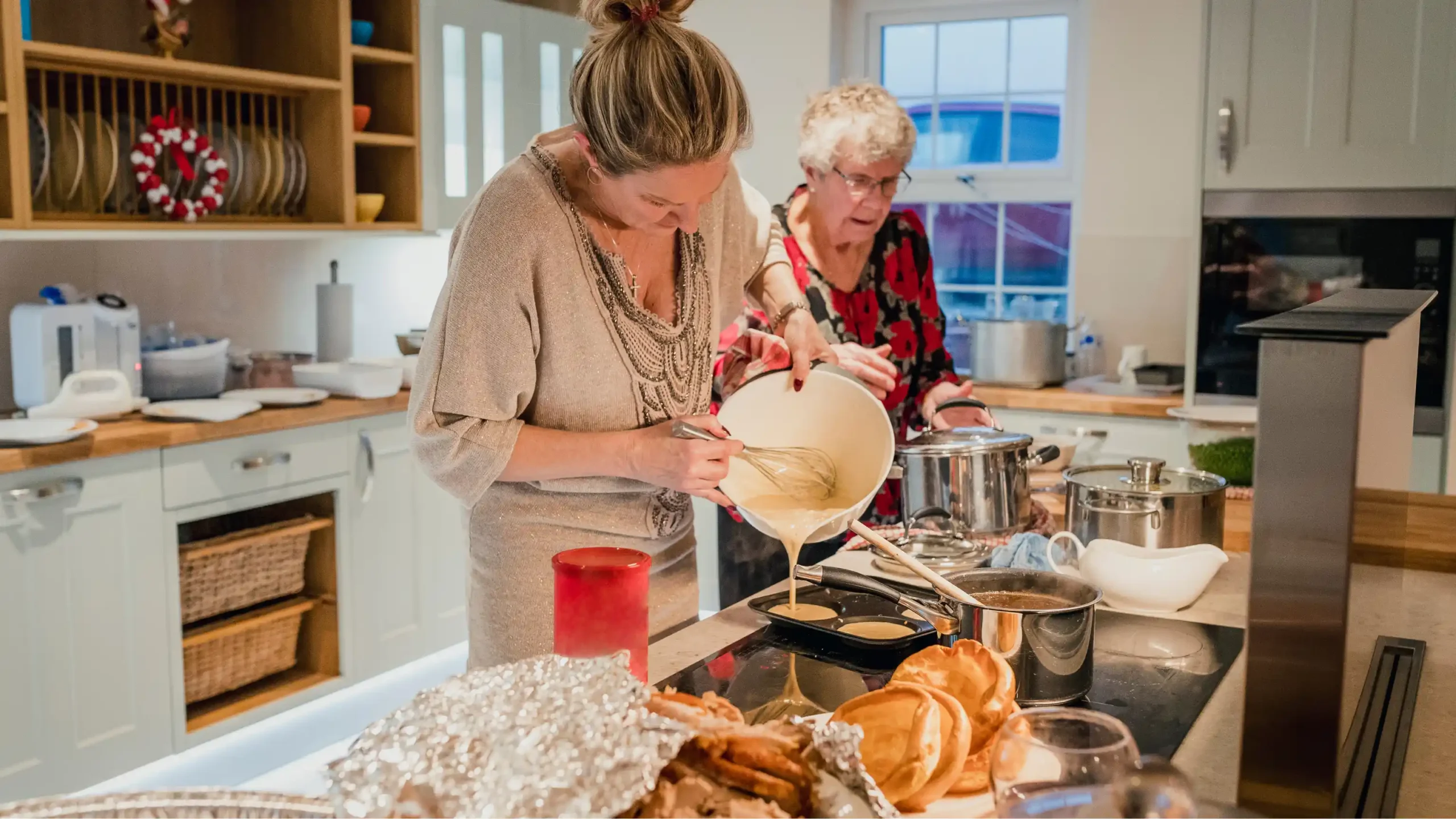
A Melbourne family makes their Italian grandmother’s pasta sauce every Christmas, teaching the grandchildren how she insisted on fresh basil and cooking it low and slow for hours. Dad’s Sunday roast gets made exactly his way. Mum’s ANZAC biscuits come out for every family gathering.
These aren’t museum pieces. The recipes get used, adapted, passed down. Kids who never met their grandparents still know them through the food they made.
Celebrating Their Birthday Instead of the Death Anniversary

Some families find celebrating the birthday works better than acknowledging the death anniversary. Instead of marking the worst day, they gather on what used to be a good day. They watch the footy team Mum supported. They go to the beach Dad loved. They raise a glass and tell stories.
Greek and Italian Australian families often continue this for years, gathering at the family home on the birthday, cooking the parent’s favorite meal, keeping the tradition alive without making it morbid.
Using Their Belongings in Daily Life
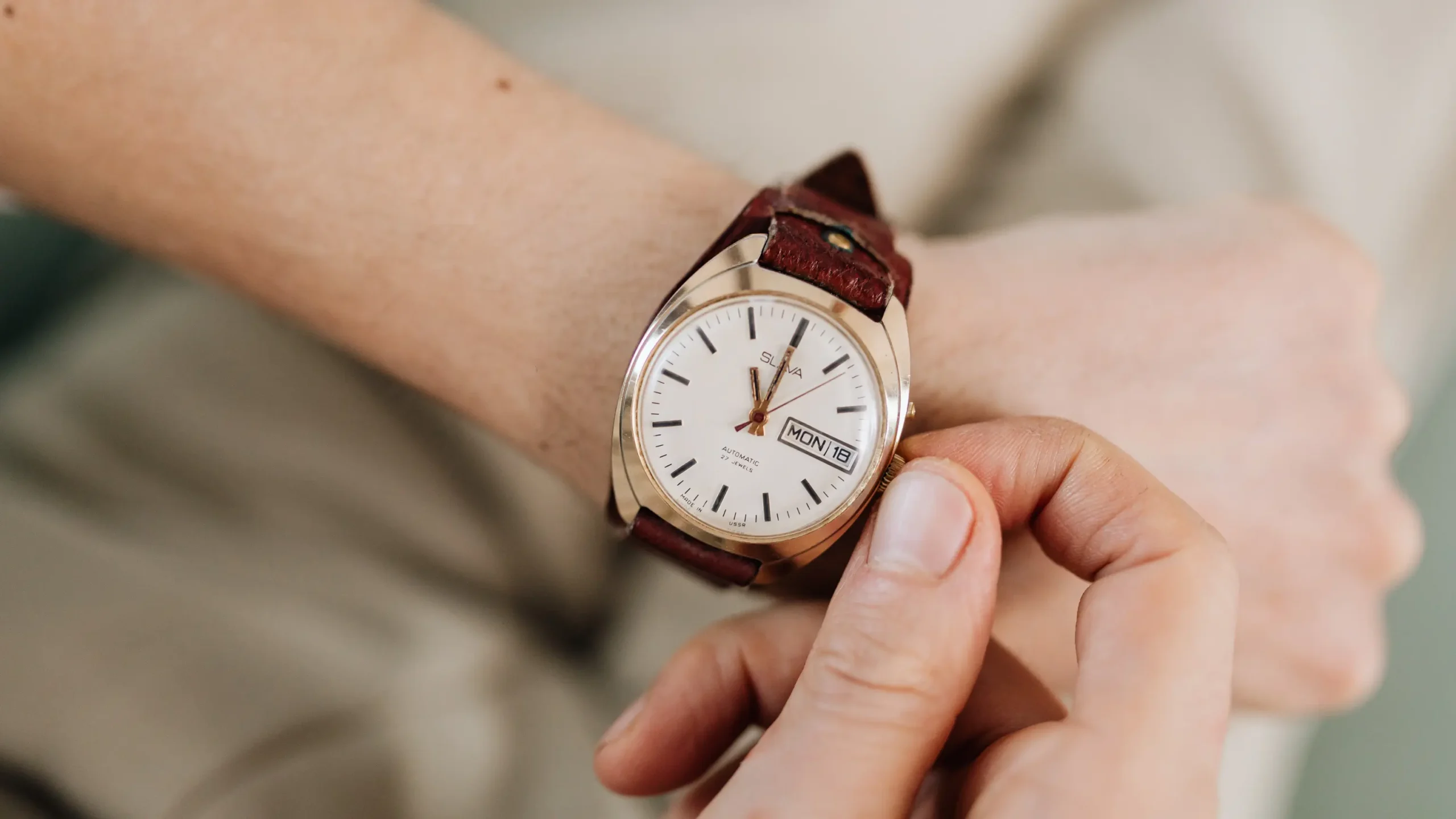
Not as shrine-keeping, but as actual use. A son wears his father’s watch every day. A daughter uses her mother’s good china for Sunday dinners instead of saving it for special occasions that never come. The tools stay in the shed and get used for the same garden projects Dad started.
Australians tend toward the practical. Keeping things in use honors the person better than preserving everything behind glass.
Ready to create a lasting tribute that goes beyond traditional memorials? Discover memorial tree options at Mornington Green where your parent’s legacy can grow into something beautiful for generations to come.
How Do You Keep a Parent’s Memory Alive in the Digital Age?
Technology changed how people remember. Not necessarily better or worse, just different.
Social Media Memorial Pages

Facebook memorial pages let family and friends share photos and memories. People post on what would have been birthdays. They tag the parent in old photos, creating a digital archive that friends and family can contribute to over time.
Some families find this comforting. Others find it performative. There’s no right answer. Privacy matters to some people more than public remembering.
Creating Digital Archives That Last

Scanning old photos and organizing them into shared Google Photos albums means everyone in the family can access them. Recording voice notes about family stories before they’re forgotten. Converting old VHS home videos to digital before the tapes degrade completely.
One Sydney family spent a weekend going through their mother’s photo albums, scanning everything, and creating a shared drive where siblings could add their own photos and memories. The grandchildren now have access to photos from decades before they were born.
Online Memorial Pages
Online memorial pages exist on various platforms, though the question of who maintains them long-term remains. Some families set them up and update them regularly. Others create them and never look at them again. Both approaches are fine.
Where Should I Create a Physical Memorial for My Parent?
Physical places to visit still matter to most people, even in the digital age.
Traditional Cemetery Visits: Are They Right for You?
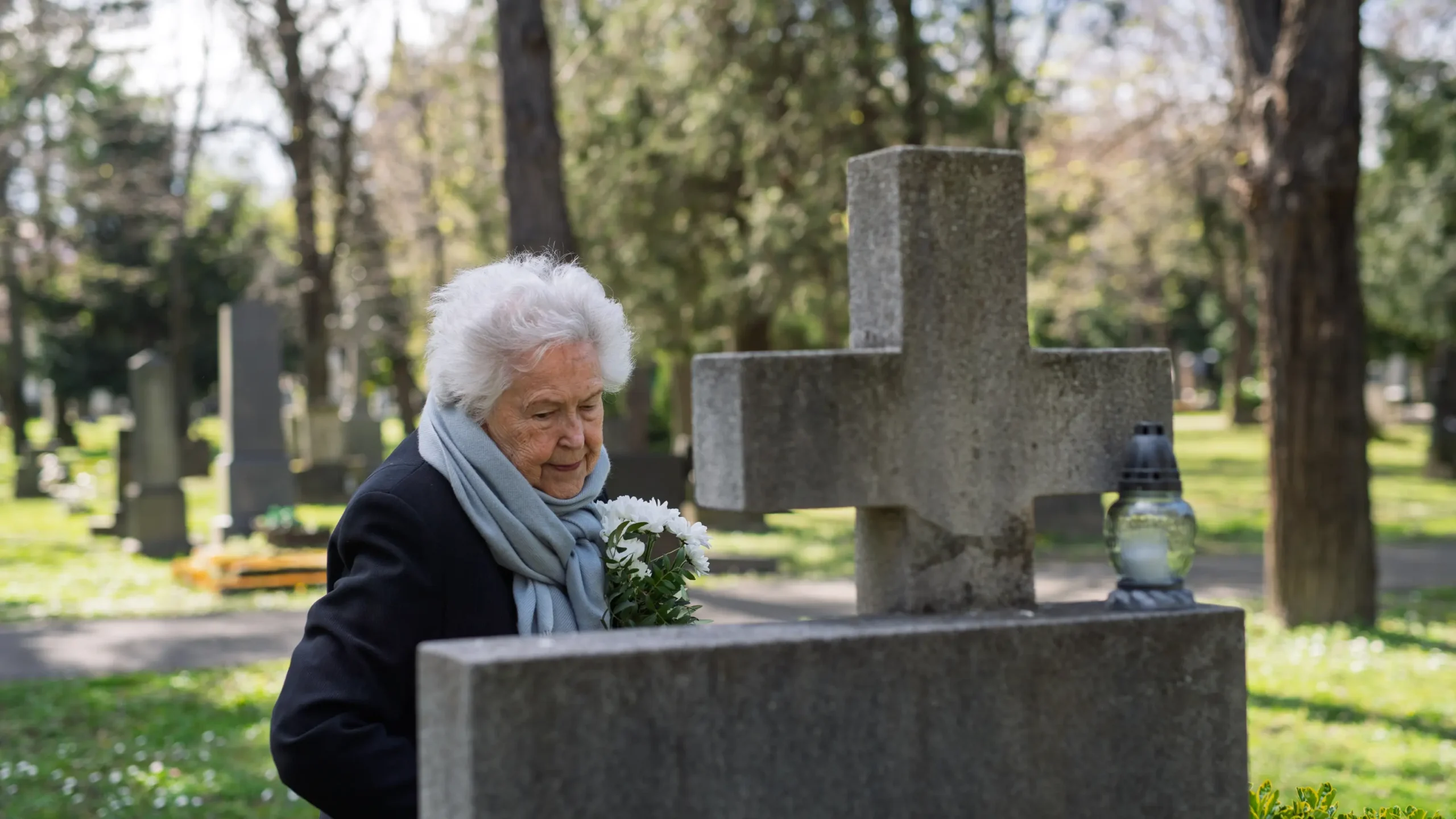
Some Australian families visit weekly, sitting by the grave and talking through the week’s events. Others go on birthdays and anniversaries. Some people find comfort in tending the plot, keeping it neat, leaving fresh flowers. Others struggle with cemetery visits and go rarely or not at all.
Cultural background often influences this. Greek, Italian, and Chinese Australian communities tend toward more frequent cemetery visits, sometimes bringing food and spending extended time at the gravesite. This isn’t universal, but the pattern holds across generations.
Simple Home Memorials
A photo wall showing different life stages. A shelf with their favorite books. Memory boxes containing letters, photos, and small meaningful items. Some families display their parent’s artwork or collections.
The key is avoiding shrine-like spaces that freeze the home in time. A few well-chosen reminders work better than turning an entire room into a museum.
What Are Living Memorials and Why Choose Them?
Living memorials appeal to families who want something that grows and changes rather than staying static.
Memorial Gardens and Tree Planting
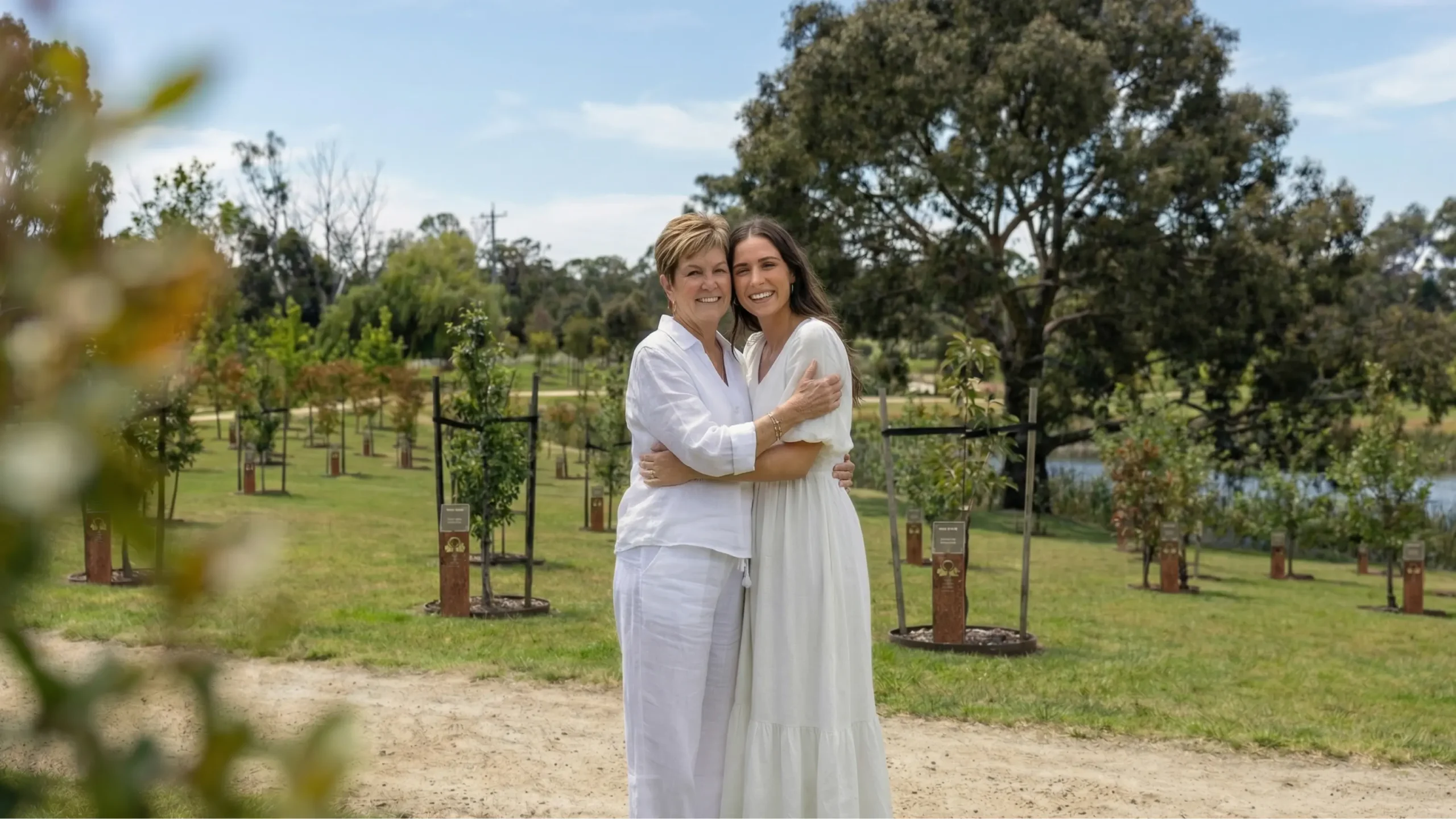
Planting gardens with a parent’s favorite flowers creates a living space that evolves through seasons. Some families establish ongoing donations or scholarships in their parent’s name. Others plant memorial trees.
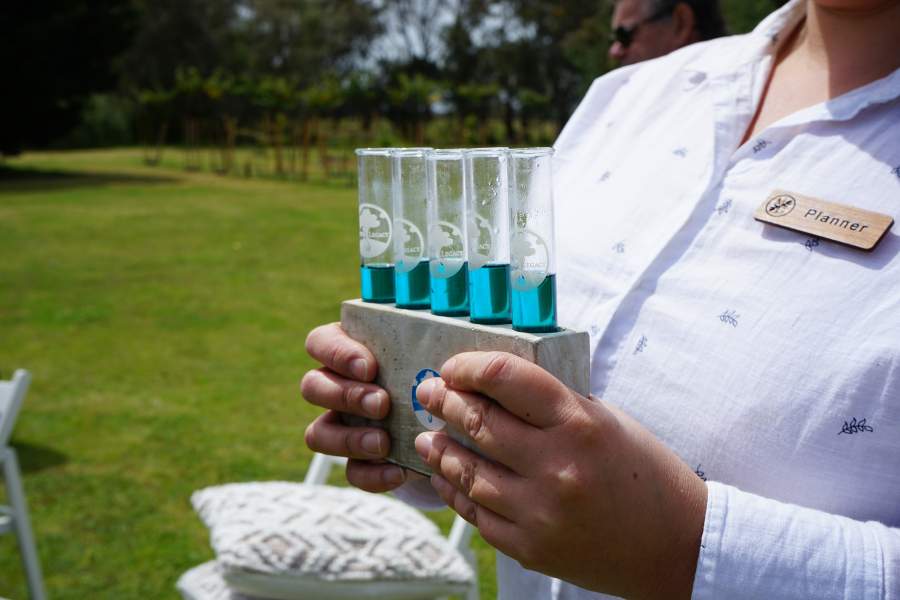
At Mornington Green Legacy Gardens on the Mornington Peninsula, families create living memorials where their parent’s ashes become part of a native tree. Unlike static cemetery plots, these trees grow and change through seasons. Families visit to sit under their parent’s tree, watch it flourish, and know it contributes to environmental restoration.
The memorial includes a customized plaque and families can add multiple family members to the same tree over time. Starting from $8,000 GST inclusive, this approach combines traditional memorial needs with environmental values many Australian families share.
Learn more about how cremated ashes are safely transformed into tree nutrients through the patented Living Legacy Formula used at memorial gardens across Australia.
Similar environmental memorial options exist through organizations like the Foundation for National Parks & Wildlife, which has planted memorial trees in fire and flood-affected areas across Australia to help restore native habitats. In Western Australia, Wellington Dam Living Legacy Forest offers memorial tree options with native Jarrah, Blackbutt, Marri, and Bullich Eucalyptus trees.
Why Memorial Trees Matter for Australian Families
Beyond the environmental benefits, memorial trees offer psychological healing that traditional memorials sometimes can’t provide. Watching a tree grow and change creates a sense of continuity. The cyclical nature of seasons mirrors the ongoing process of grief – periods of dormancy followed by new growth.
Considering pre-planning? Compare memorial tree costs against traditional funeral expenses and discover why more Australian families are choosing this option.
Are Memorial Tattoos and Jewelry Acceptable Ways to Remember?
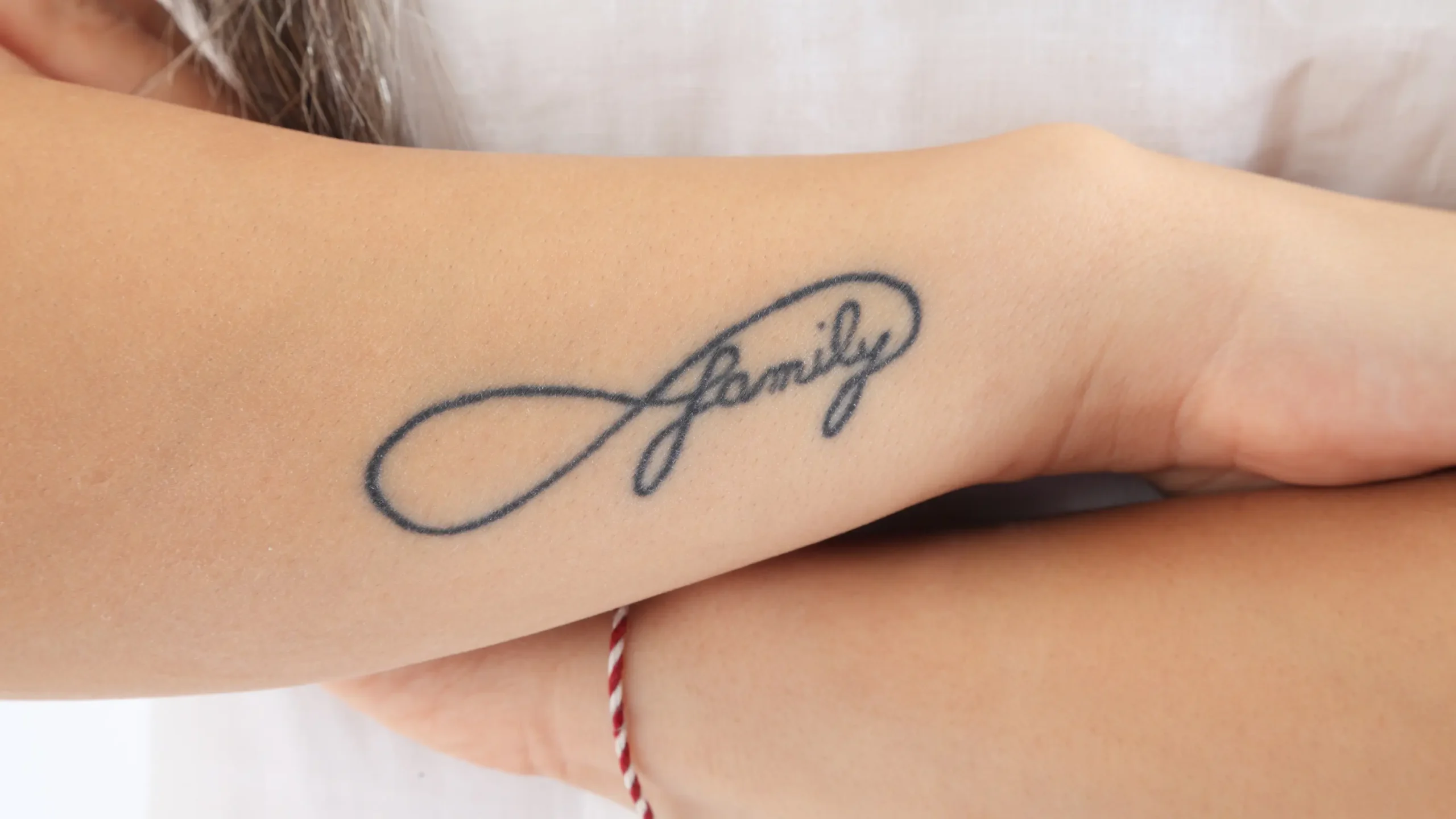
Memorial tattoos have become increasingly common in Australia over the past decade. According to McCrindle Research, one in five Australians now has a tattoo, with the biggest growth in word and phrase tattoos rather than just symbols.
People get their parent’s handwriting tattooed. Important dates. Symbols that meant something specific to that relationship. Some incorporate their parent’s ashes into jewelry or get fingerprint jewelry made from prints taken before or after death.
This was once uncommon in Australian culture. Now it’s increasingly accepted across all age groups, not just young people. Adults in their 40s and 50s get memorial tattoos for parents, marking the loss in a permanent, visible way.
How Do You Pass Down Your Parent’s Legacy to the Next Generation?
Memory lives in stories, values, and skills as much as in physical objects.
Telling Stories That Matter
Grandchildren hear about their grandparents through family gatherings where someone inevitably says “remember when Dad…” and the stories flow. The same stories get told repeatedly, but that repetition cements them into family history.
Recording these stories before they fade matters. Voice recordings of older family members talking about the deceased parent capture not just the facts but the tone, the laughter, the way they tell it.
Living Their Values Every Day
Some people volunteer for causes their parents cared about. Others support their favorite charities with ongoing donations. Some vote according to values their parents instilled, carrying forward a political or social legacy.
A Brisbane woman continues her mother’s tradition of cooking meals for elderly neighbors. A Sydney man coaches kids’ football because his father did. These aren’t grand gestures, just ordinary continuation of what mattered to the parent.
Professional and Craft Legacies
Children enter their parent’s profession, not necessarily from obligation but from genuine interest sparked by growing up around it. Others learn their parent’s skills – woodworking, sewing, gardening – and keep those crafts alive.
Some families successfully keep a parent’s business running after they’re gone. Others know when to let it close and move on. Both honor the parent’s work, just differently.
Name Legacies
Naming grandchildren after deceased parents, either as first names or middle names. Keeping a mother’s maiden name hyphenated. Business names that honor a parent’s memory.
These traditions connect past and future, giving children a tangible link to grandparents they may never have met.
What Are Small Daily Ways to Remember a Parent?
Big memorials get attention, but small daily remembrances often matter more.
Morning Rituals
Making coffee the way Dad made it. Using Mum’s favorite mug. Sitting in their spot at the kitchen table. These tiny rituals create a sense of continuity without requiring major effort.
Talking to Them (Yes, Really)
This remains surprisingly common, even among people who don’t consider themselves spiritual. Telling them about major life events. Asking “What would Mum say about this?” when facing a difficult decision. Feeling their presence in important moments, not in a mystical way, just in the sense of carrying their voice and values forward.
Including Them in Life Events
An empty chair at a wedding with their photo. Mentioning them in speeches – “Mum would have loved this” or “Dad would have been so proud.” Lighting a candle for them. Playing their favorite song.
Australian-Specific Rituals
Raising a beer to them at the pub. Taking their footy scarf to games, especially finals. Playing their favorite music on long drives. Stopping at the beach they loved on the way to somewhere else.
These aren’t elaborate ceremonies. They’re just small acknowledgments woven into normal life, making the absence feel slightly less absolute.
The Best Memorial Is Living Well
The main thing to understand is that memory-keeping isn’t mandatory. Living a good life, being happy, moving forward – these can honor a parent just as much as any memorial or ritual. Sometimes the best tribute is just living well.
How Grief Changes Over Time
Grief also changes as years pass. What feels right in year one often feels different in year five. Someone might avoid all reminders initially, then later find comfort in visiting memorial sites or looking at old photos. The process evolves, and what helps evolve with it.
If you’re struggling with decisions about memorials or pre-planning, understanding the practical side of memorial planning can reduce stress during an already difficult time.
Planning Ahead: Should You Pre-Plan Your Memorial?
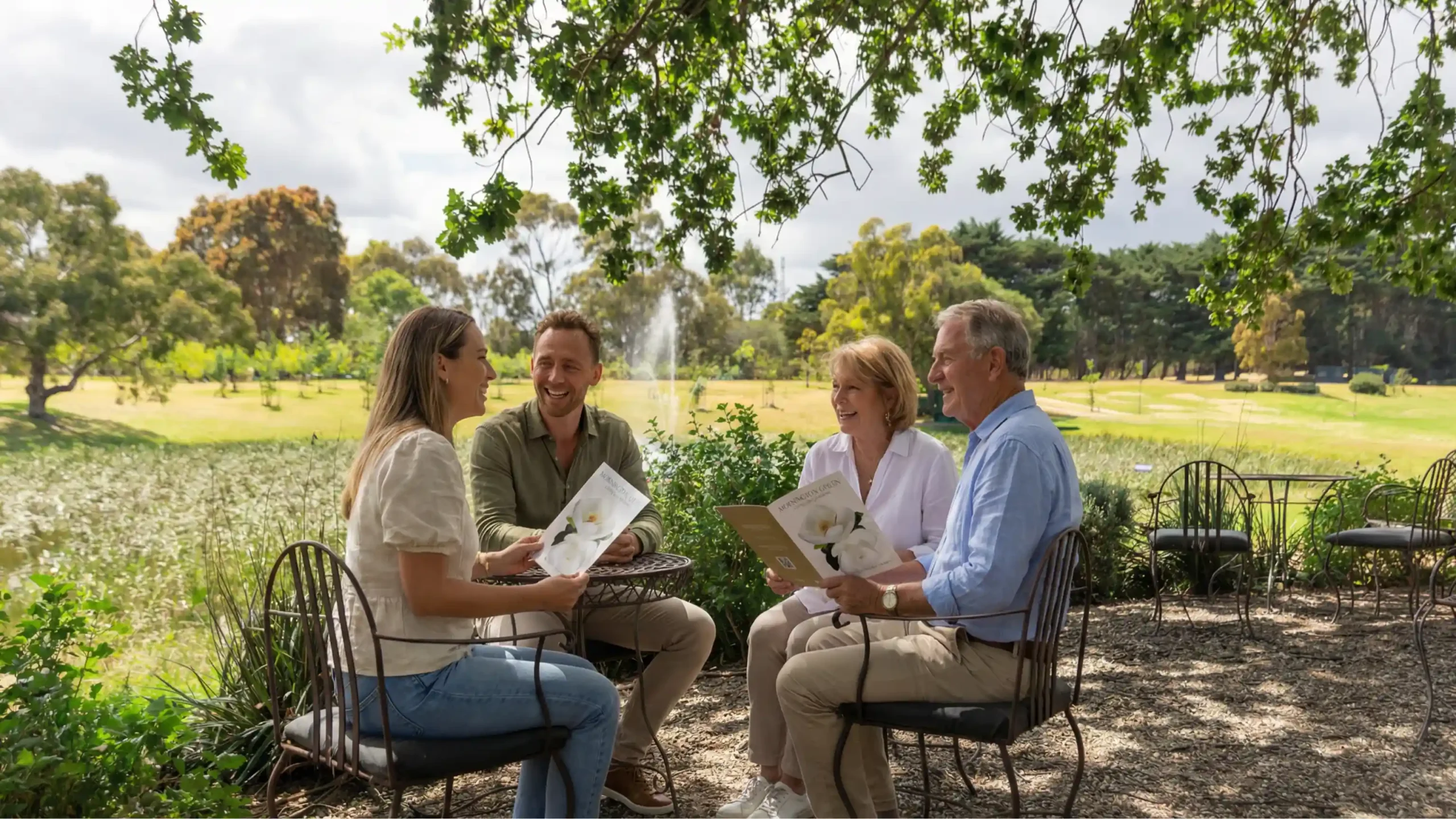
Many Australians are now pre-planning their own memorials to reduce the burden on their families. The average cost of a burial funeral in Australia is $19,000, whereas memorial tree options start from significantly less.
Pre-planning memorial options means families can visit their tree together during the person’s lifetime, creating positive memories associated with the location rather than only associating it with loss and grief.
When families pre-plant a memorial tree, additional family members can have their ashes added to the same tree for around $2,900 per person, creating a genuine family legacy tree that connects generations.
Getting Support During Grief
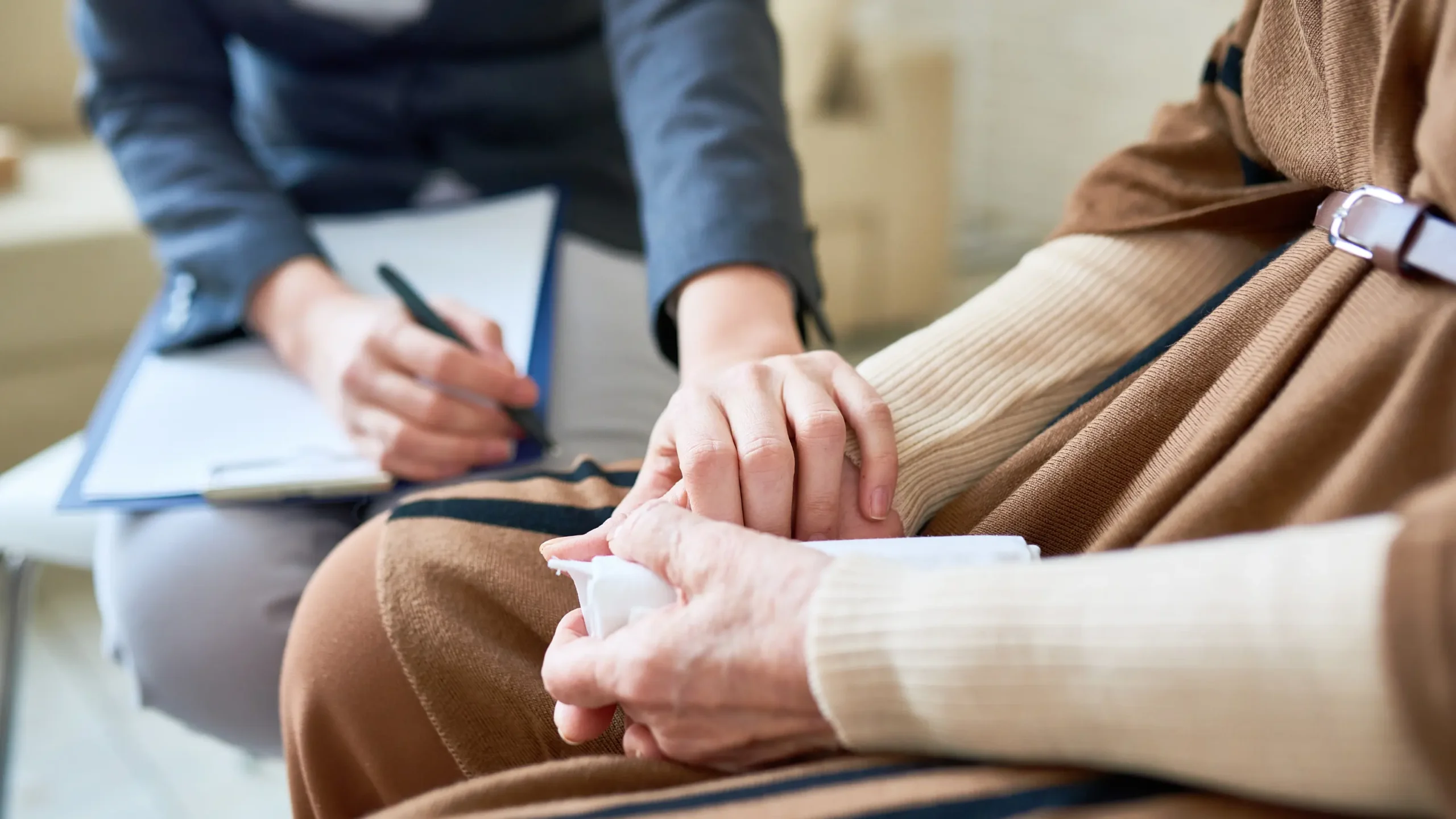
For families struggling with grief or needing guidance on memorial planning, professional support services are available across Australia.
Grief Australia provides evidence-based counseling weekdays from 9am to 5pm AEDT. Griefline offers free phone support seven days a week from 8am to 8pm AEST. For 24/7 mental health support, Beyond Blue provides phone counseling, online chat, and community forums.
After a parent’s death, practical matters also require attention. Services Australia provides guidance on notifying government agencies, while the Australian Death Notification Service allows families to notify multiple organizations through a single online platform.
Navigating the financial complexities after a parent’s death? Learn about handling superannuation and death benefits to avoid delays during probate.